What does 300cc vs. 650cc actually mean? Here’s a simple guide to motorcycle engine sizes, what those numbers can tell you about the ride, and how to find the right fit for you.
When you start shopping for your first motorcycle, it doesn’t take long before the numbers start piling up.
300cc. 500cc. 650cc. 1,000cc.
Engine size is one of the first ways motorcycles are compared, but if you’re new to riding, those numbers probably don’t mean much to you yet.
Then comes the advice.
Ask a few riders what engine size a beginner should start with, and you’re likely to get a few different answers. One friend tells you to start as small as you can. Another swears you’ll want something bigger within a month.
Depending on the rider, either one could be right.
The good news is that those numbers are actually pretty simple once you know what they actually measure and how that translates to the riding lifestyle you’re looking for.
So we’ve put together a quick guide to demystify what the most common engine sizes mean, how they compare, and how to figure out which one might best fit your riding goals.
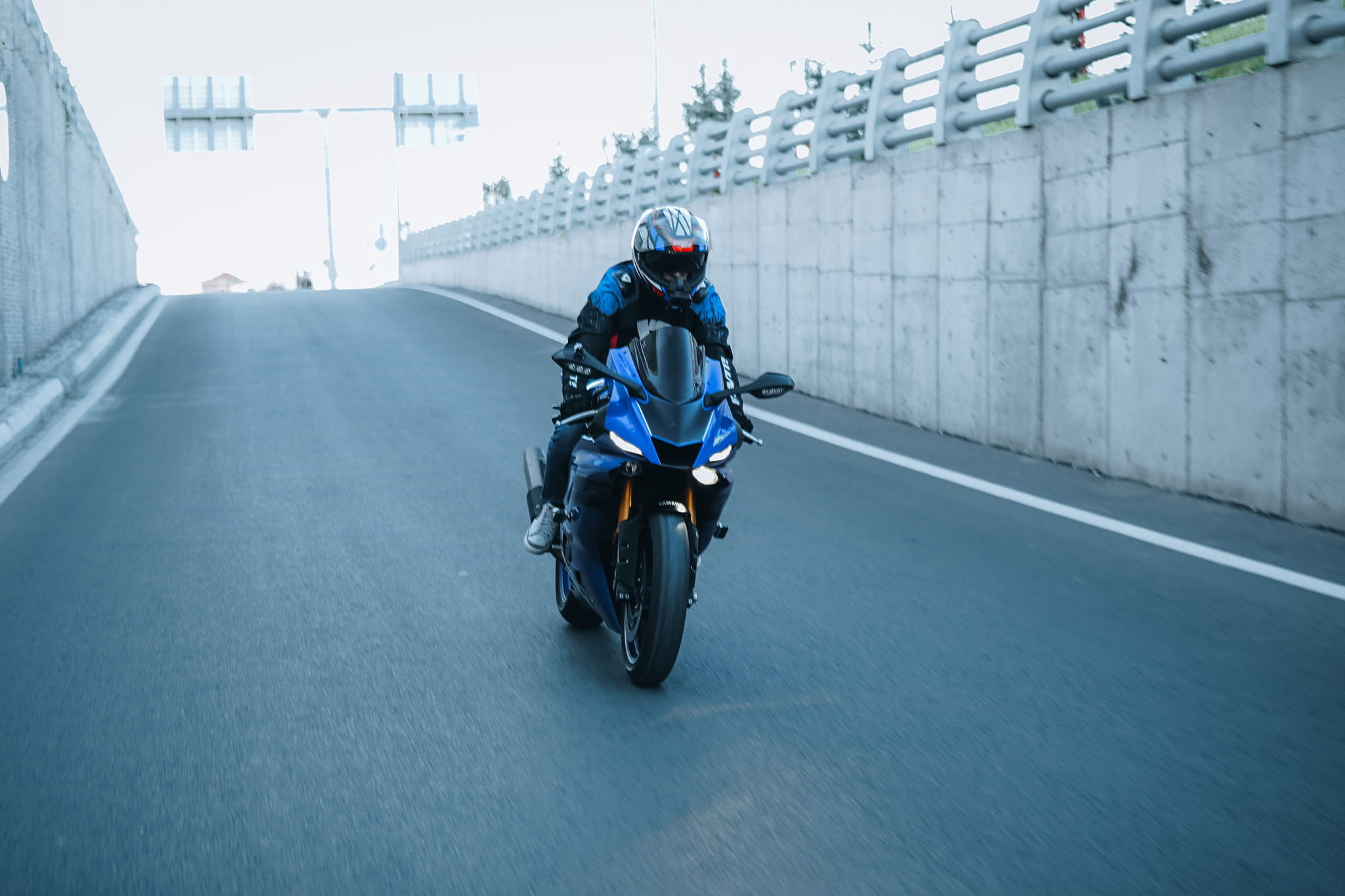
First of all, What Does “CC” Even Mean?
Okay, now let’s talk numbers.
When you see a motorcycle described as 300cc or 650cc, that number refers to its engine displacement.
CC stands for cubic centimeters. It measures the combined volume swept by the pistons as they move through the engine’s cylinders. A 650cc engine with two equally sized cylinders, for example, has about 325cc of displacement in each.
Generally, a larger engine can take in and burn more fuel and air with every cycle, which gives it the potential to produce more power and torque, the twisting force that helps propel the motorcycle forward.
(If terms like torque are new to you, our Rider’s Glossary breaks all the lingo down in plain English!)
More displacement can come with other tradeoffs, too. Depending on the motorcycle, that can mean greater fuel consumption, more weight, or simply a higher price tag.
But here’s the important part: cc doesn’t tell you everything about a motorcycle.
Two bikes with similar engine sizes can differ significantly in power and in how they feel to ride, depending on engine design, cylinder count, tuning, gearing, weight, and what the bike was built for.
Take two Kawasakis, for example: the Ninja 650 has a 649cc engine that makes 67 horsepower and the Ninja ZX-6R has a slightly smaller 636cc engine that makes 127. That’s because the 650 uses two cylinders tuned for everyday street performance, while the ZX-6R’s four cylinders are built to rev much higher with the racetrack in mind. Same ballpark in engine size, but very different motorcycles.
So even though engine size is often the first thing you see, it’s better to think of it as one useful clue about a motorcycle, not the whole story.
And one last thing: the number in a motorcycle’s name is often approximate. A Honda Rebel 500 actually has a 471cc engine, for example. So if you want to know exactly what you’re working with, check the spec sheet.
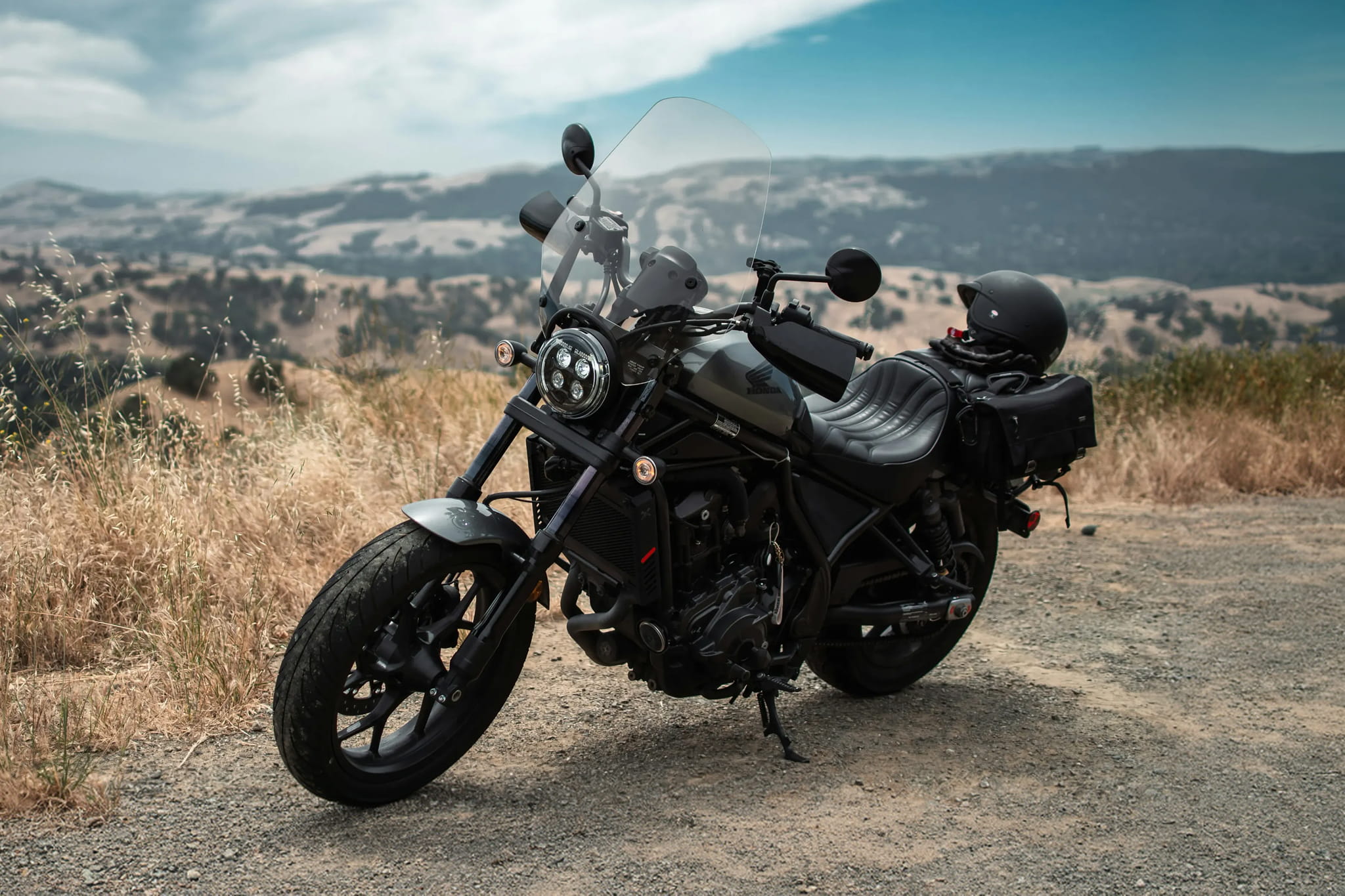
Under 300cc: Light, Simple and Approachable
Smaller motorcycles can be a great place to start.
Bikes in this range tend to be lighter, manageable at lower speeds, and relatively forgiving while you’re developing fundamental skills like clutch control, braking, cornering, and acceleration.
They can also make excellent city bikes. If most of your riding involves commuting, neighborhood streets, or even shorter trips, you might not need a huge amount of power in the first place.
The tradeoff comes when speeds and distances increase. You can absolutely take smaller motorcycles on the highway, but long stretches of interstate aren’t what they’re built for. Smaller engines may have to work harder at sustained speeds and typically have less passing power in reserve.
For riders who plan to spend most of their time close to home, though, a smaller motorcycle can be a great introduction to life on two wheels. Mini motos like the Honda Grom (124cc) and the Kawasaki Z125 Pro (125cc) weigh about 225 pounds with a full tank, and they’re much more fun than their size suggests.
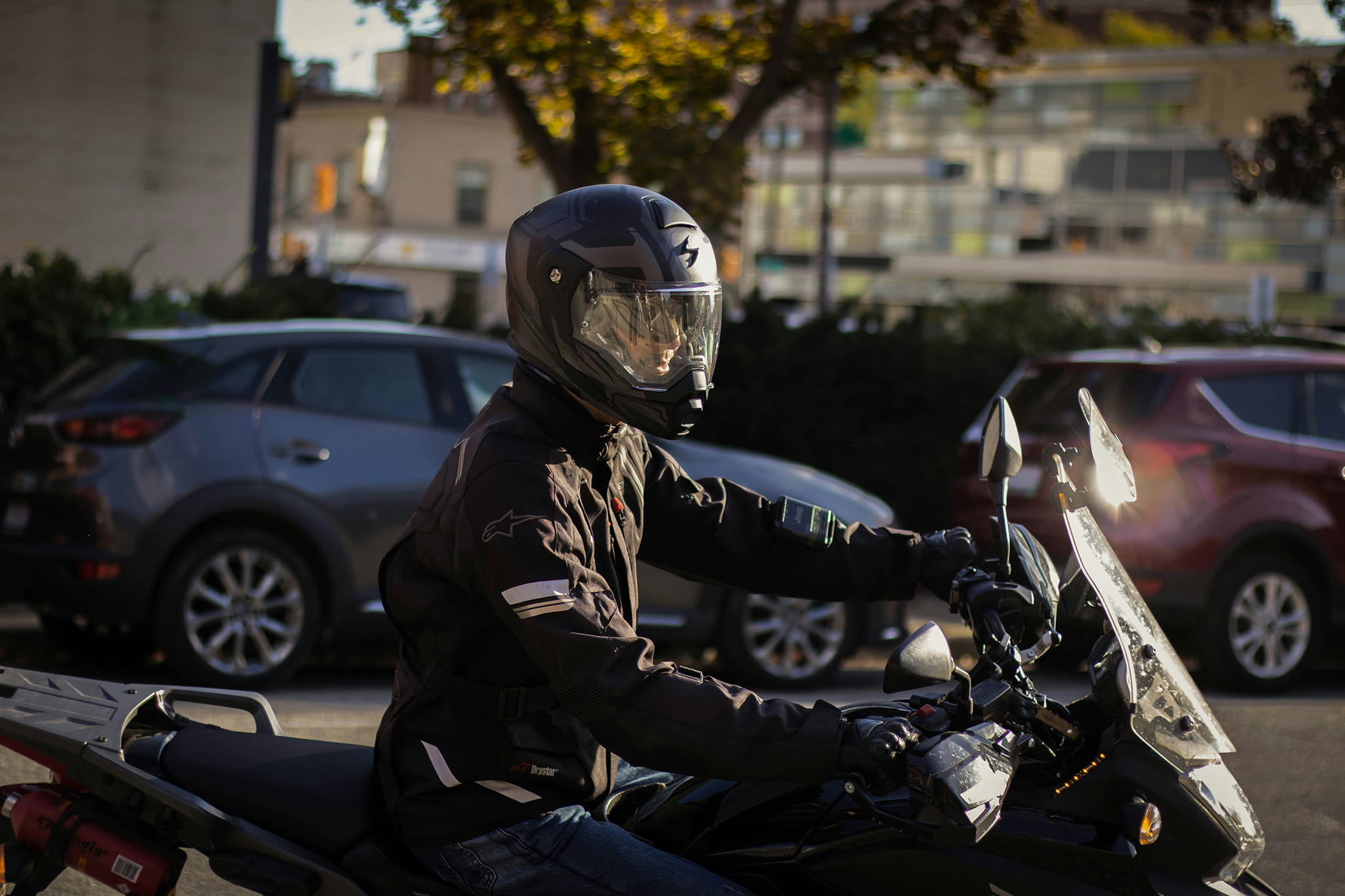
300cc to 500cc: A Popular Starting Point
This might be the sweet spot for beginners.
In the 300cc to 500cc range, you generally get enough performance to comfortably explore beyond city streets while still keeping the motorcycle relatively light and manageable.
That makes this range especially appealing if you want one bike that can handle commuting during the week and longer rides on the weekend. There’s also enough power to keep things interesting as your skills improve.
Bikes like the Yamaha MT-03 (321cc), the Triumph Speed 400 (398cc) and the Kawasaki Ninja 500 (451cc) all weigh around 380 pounds or less. They have enough power for the highway and deliver it in a way that’s forgiving while you’re still building skills.
And they’re more than simply starter bikes. Some riders begin here and never feel the need to move up.
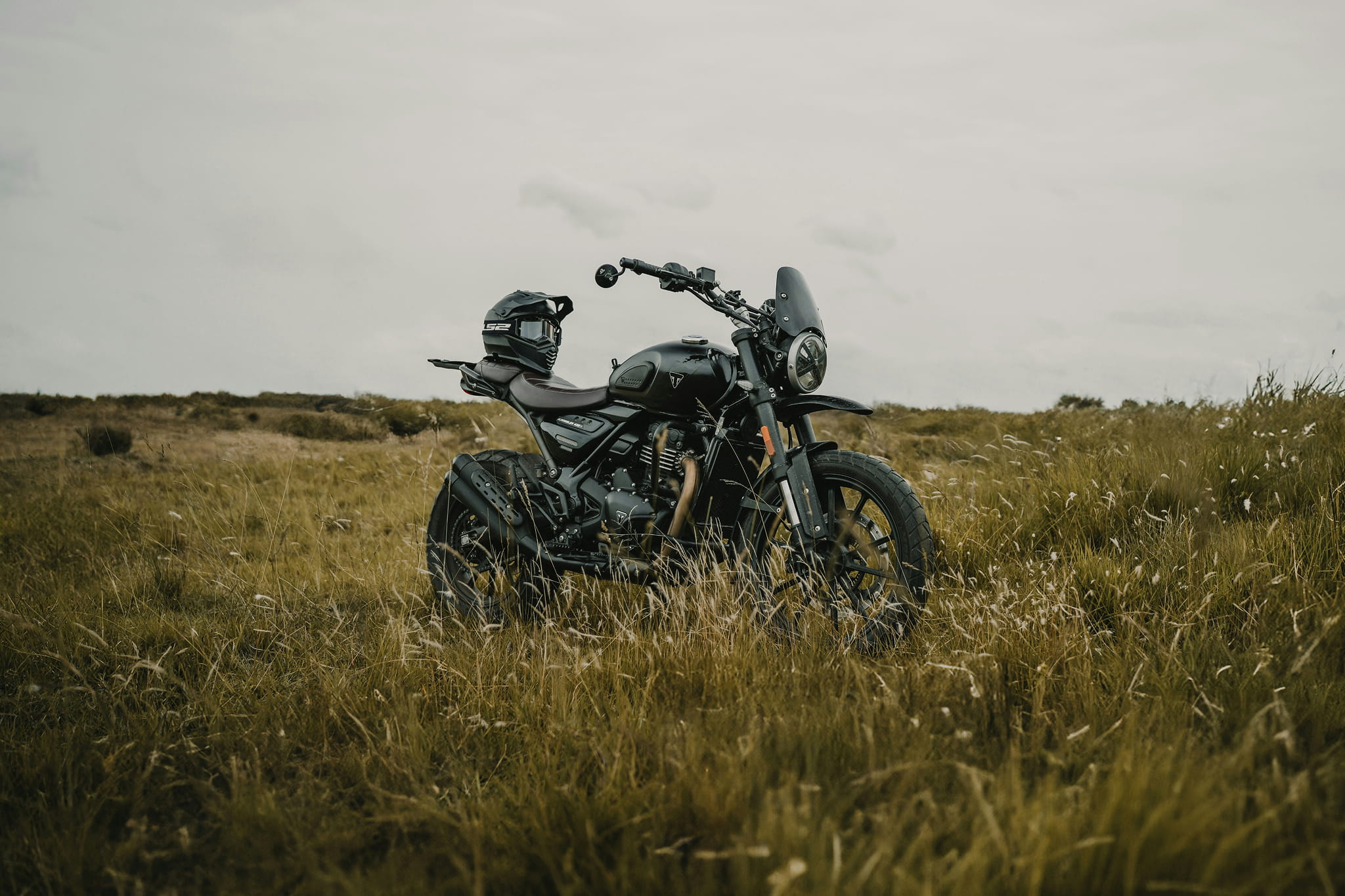
500cc to 700cc: More Room to Grow
These are the middleweights, and they have real power in reserve.
Motorcycles like the Triumph Trident 660 (660cc), the Kawasaki Z650 (649cc), and the Yamaha MT-07 (689cc) can do a bit of everything. Commuting, weekend trips, long days on the highway… you name it.
It’s in this range that motorcycles generally start offering stronger acceleration, more effortless highway performance, and additional flexibility for longer rides. They also tend to be heavier and quicker to respond, so they ask more of you.
This is the range where that Kawasaki comparison matters most. Not every 600cc or 650cc motorcycle is designed for the same rider.
Some are tuned to be approachable for everyday riding and can suit newer riders with proper training. Others are designed with the track in mind and can produce significantly more power.
That’s why it pays to look beyond engine size.
Check the motorcycle’s horsepower, weight, seating position and overall purpose. Most importantly, think about how comfortably you can control it.
700cc and Above: Bigger Bikes, Bigger Capability
Larger engines open the door to another level of motorcycling.
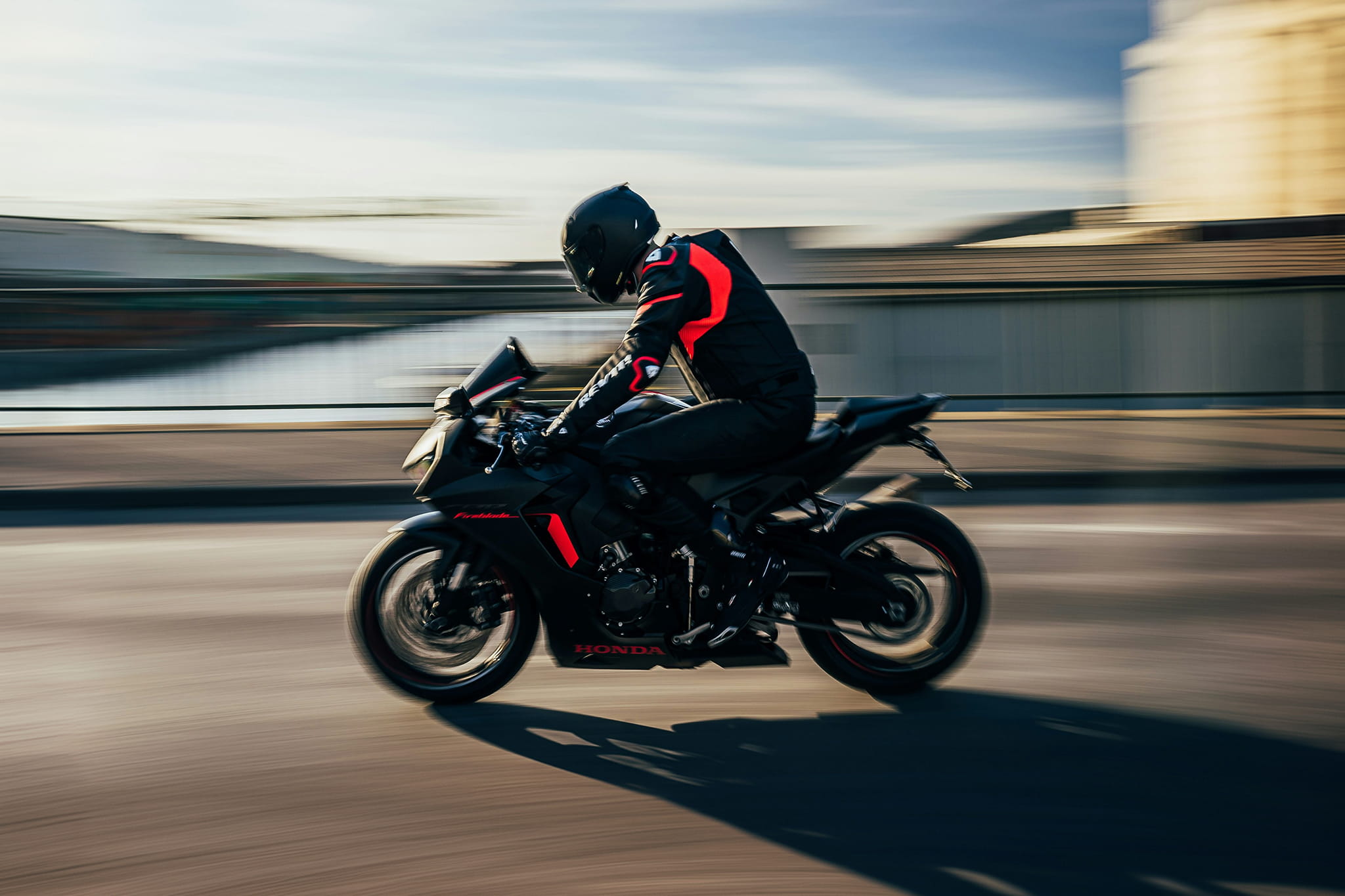
This is the land of long-distance touring motorcycles, tough adventure motorcycles, big cruisers, and some of the most powerful sport bikes on the market.
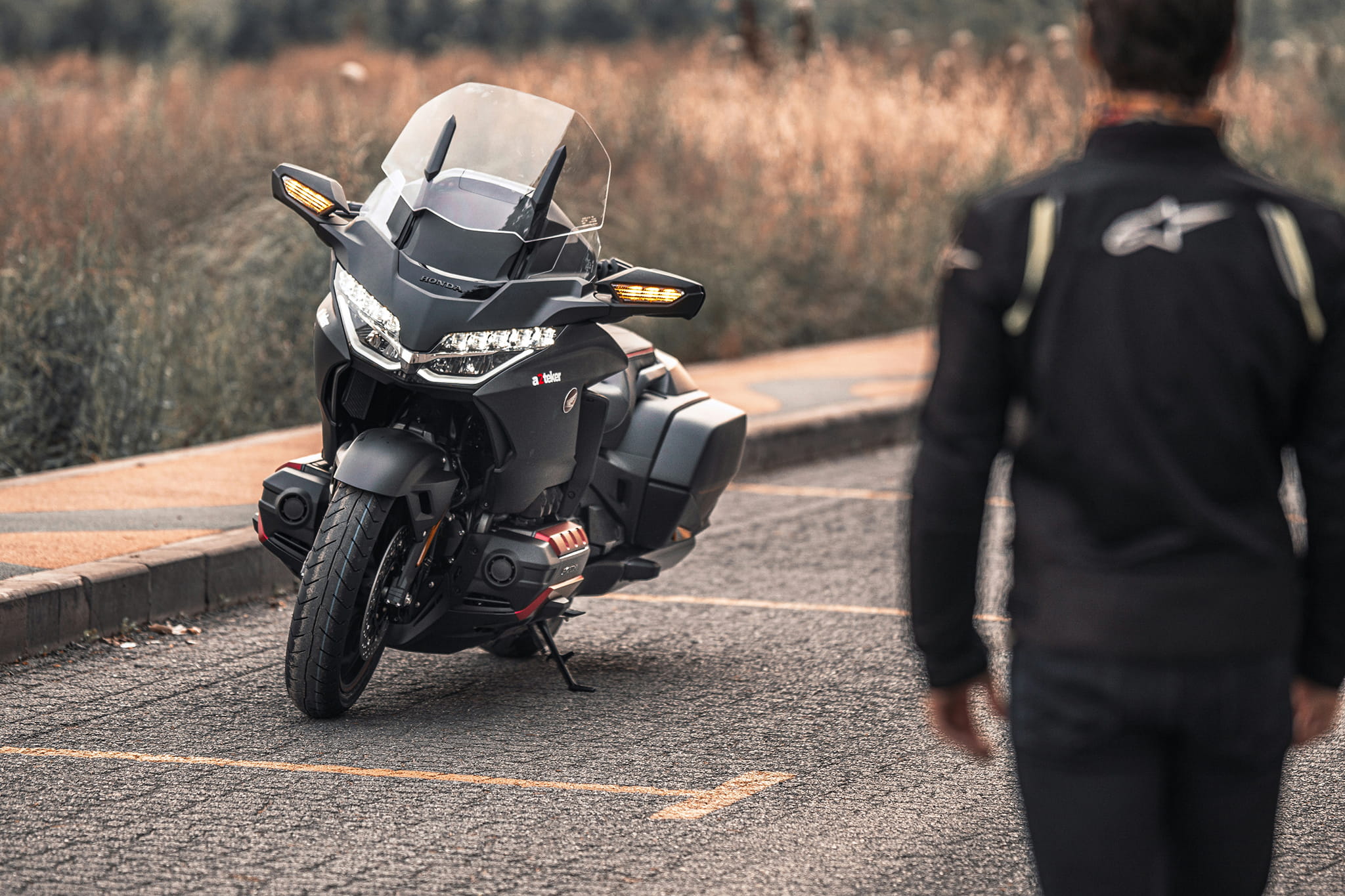
The range starts with sporty naked bikes like the KTM 790 Duke (799cc) and climbs fast. The Honda Gold Wing pairs a 1,833cc six-cylinder engine with more than 800 pounds of touring motorcycle. At the far end sits the Triumph Rocket 3, whose 2,458cc engine Triumph calls the largest in any production motorcycle.
There are a number of reasons why riders choose bigger engines. You might be after effortless highway cruising across state lines, prioritize carrying a passenger and luggage, or simply love having significantly more acceleration available whenever you twist the throttle.
That extra capability can be fantastic when it matches what you need.
But newer riders rarely need to chase engine size for the sake of it. More power can make mistakes with the throttle less forgiving, while larger motorcycles may also bring additional weight and physical size.
There’s nothing wrong with working your way toward a bigger bike as you gain more experience. In fact, that progression can be part of the fun!
So, What Engine Size Should a Beginner Choose?
It’s easy to get caught up in engine sizes when you’re buying your first motorcycle, but there isn’t one magic number. Instead, the numbers are there to help you narrow down what fits.
A rider who wants a lightweight motorcycle for getting around town has very different needs from someone hoping to spend every weekend exploring highways and back roads. Your size and comfort matter too, as does the motorcycle itself.
As a general guide, bikes under 300cc can be a great fit for city riding and short trips, whereas the 300cc to 500cc range can offer a nice balance for commuting, weekend rides, and some highway use. If you’re expecting to spend more time on the highway, take longer trips, or carry a passenger or luggage, a middleweight or larger motorcycle will give you the extra capability you’re looking for.
Beyond that, it also helps to think about how the motorcycle actually feels when you’re sitting on it. Is it manageable? Can you comfortably reach the controls? Does it feel like a bike you can comfortably learn on?
Putting those things together, you’ll have a much better sense of what fits than you would from a single number on the spec sheet. And if you’re still unsure, sit on a few bikes and take a test ride where available. Sometimes the easiest way to understand what feels right is to experience it firsthand for yourself.
Find a motorcycle that matches the riding you want to do and gives you room to build your skills and confidence.
Still not sure what to ride? Take our Rider Quiz to find the right bike for your style and goals. And when you’re ready to look at specific models, use our Dealer Locator to connect with a dealer near you.
You don’t need the biggest engine to have the biggest adventures.
See you out there.