There’s no wrong time of year to ride. But depending on where you live, the season can make all the difference.
Because while you can ride somewhere almost any time of year, some destinations are simply better suited to certain seasons. Mountain roads can be buried under snow in January. Desert highways can become brutally hot in July. And a route that’s perfect in October might be completely different come spring.
The trick is knowing where to go and when.
So whether you’re planning a long-distance road trip, looking for a weekend escape, or just wondering where the weather will cooperate for your next ride, here’s a season-by-season guide to finding your way onto the road throughout the year.
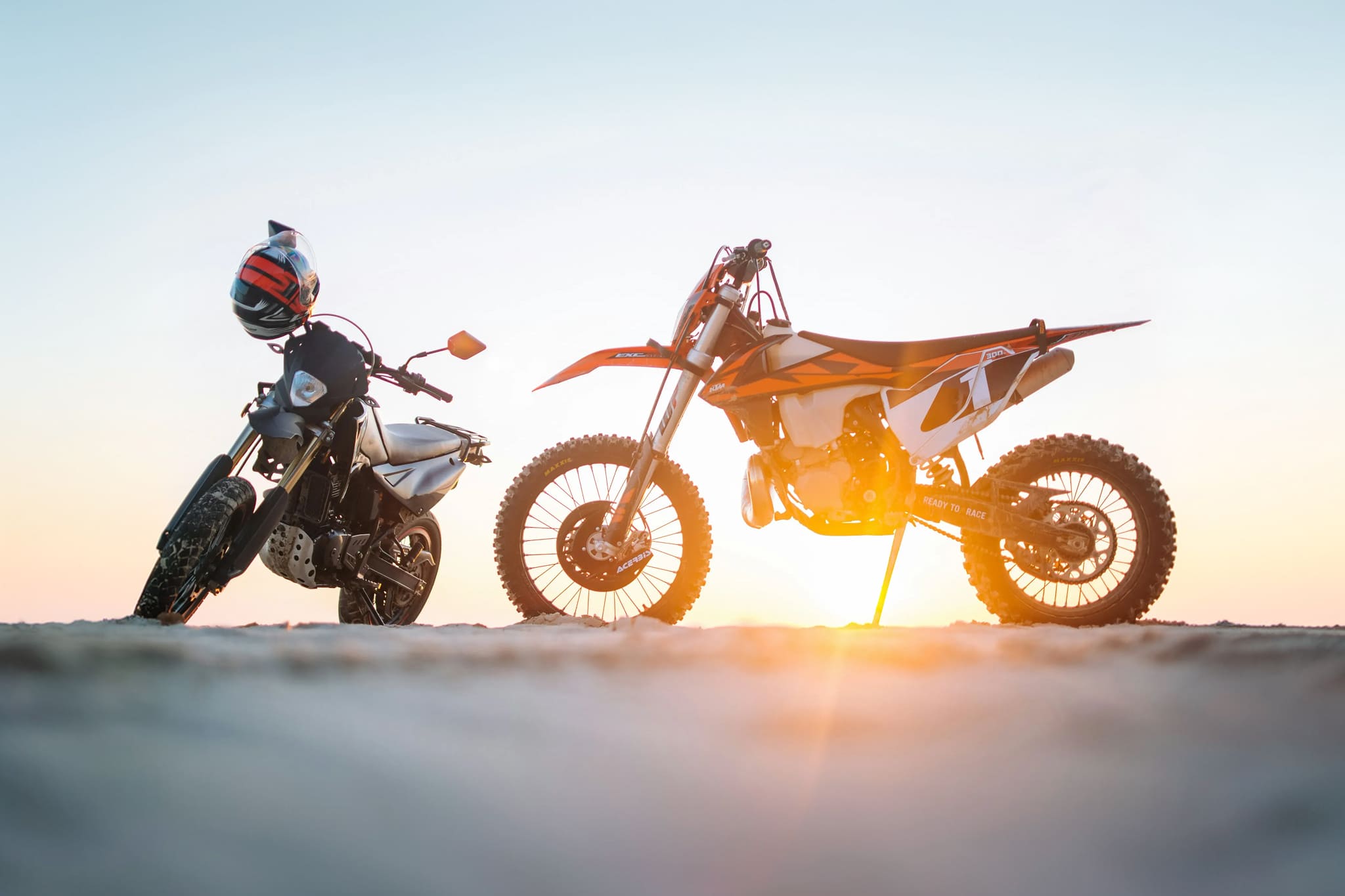
Spring: Chase the First Signs of Summer
After a long winter, there’s something especially satisfying about getting back on the bike.
Spring is when riding season starts opening up across much of the country, but conditions can vary dramatically depending on where you are. Lower elevations and southern states tend to warm up first, while mountain roads may still be dealing with snow, ice, or lingering winter closures.
That makes spring a great time to head toward the coast, the Southwest, or the lower-elevation roads of the Southeast.
Pacific Coast Highway, California
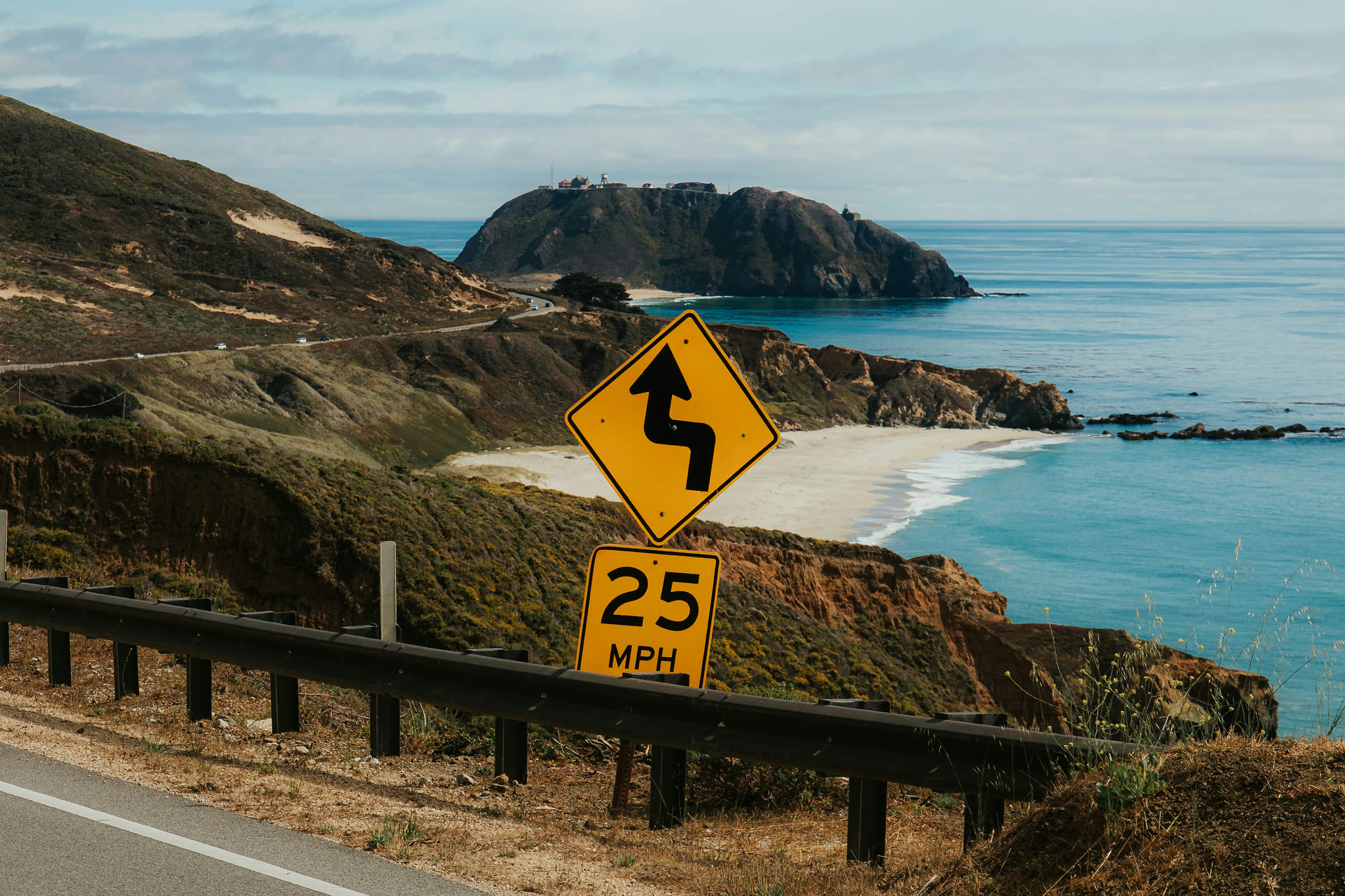
Few places capture the feeling of spring riding quite like California’s Pacific Coast.
Highway 1 offers miles of dramatic coastline, winding pavement, ocean views, and plenty of small towns where you can stop for a coffee, a meal, or simply a reason to stretch your legs.
Spring can be an especially beautiful time to ride here. The temperatures are generally more comfortable than the heat of summer, while the hills and coastal landscapes can be especially vibrant after the winter rains.
And the best part? You don’t have to make the ride about getting somewhere.
Take your time. Follow the curves. Pull over whenever the view demands it.
That’s what coastal riding is all about.
The Blue Ridge Parkway, North Carolina and Virginia
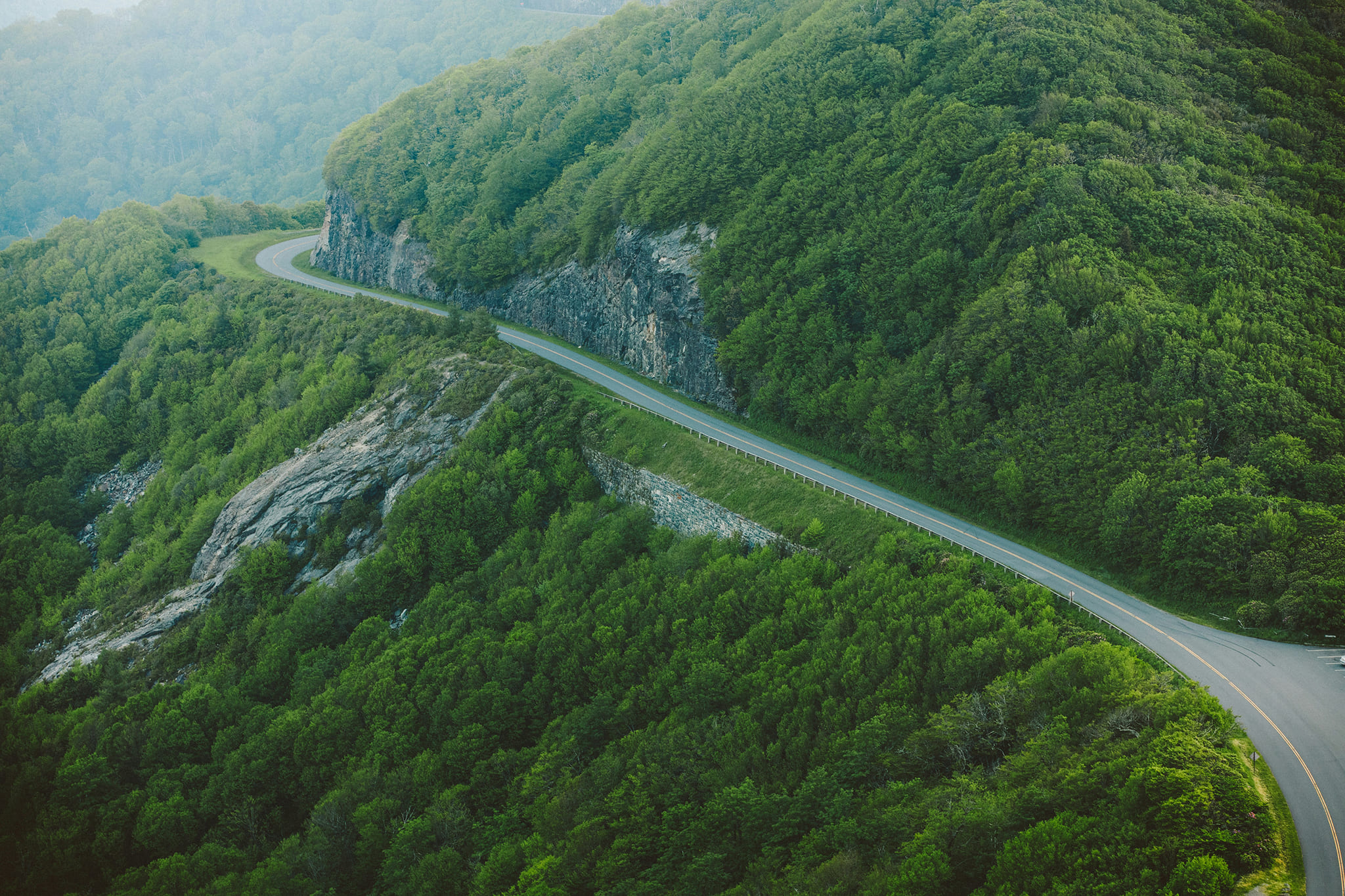
If mountain riding is calling your name, the Blue Ridge Parkway is another spring favorite.
The route winds through the Appalachian Mountains for hundreds of miles, with sweeping overlooks, forested roads, and plenty of opportunities to stop and explore along the way.
Just keep an eye on conditions. Higher elevations can stay chilly well into spring, and sections of mountain roads may open later depending on weather.
The reward is worth it, though. When the trees begin to turn green and the roads start opening back up, it feels like the entire riding season is coming back to life.
Summer: Head for the Mountains
Summer is when some of America’s most spectacular motorcycle roads finally become accessible.
Mountain passes that spent months covered in snow begin to open, daylight stretches late into the evening, and riders can venture deep into the Rockies, Cascades, and Northern states.
Of course, summer riding comes with its own considerations. Higher elevations can still be surprisingly cold, while afternoon thunderstorms can appear quickly in the mountains. And in hotter regions, midday temperatures can make long stretches of pavement uncomfortable.
The solution?
Go higher.
Going-to-the-Sun Road, Montana
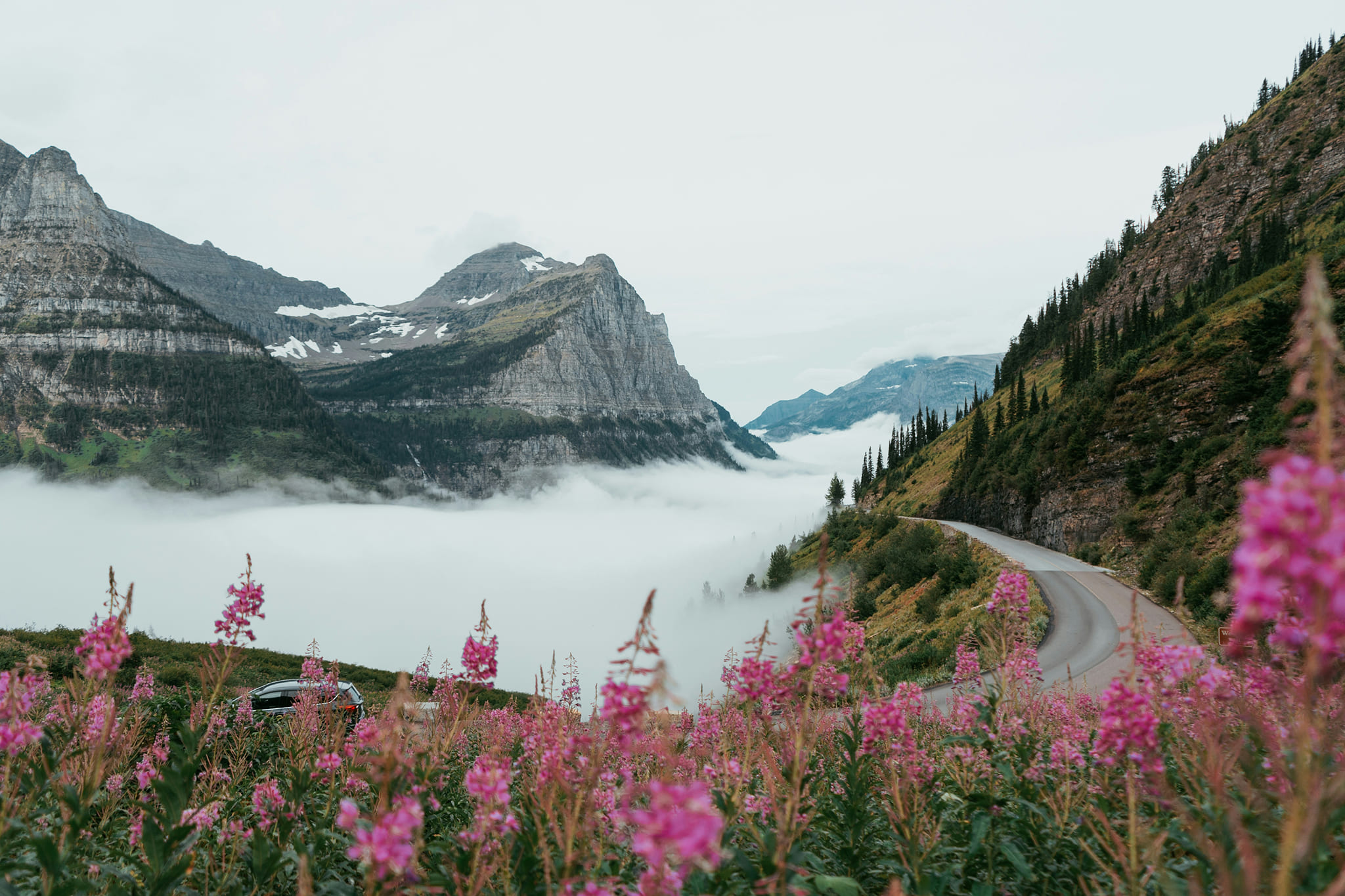
Glacier National Park’s Going-to-the-Sun Road is exactly the kind of route that makes summer riding worth the wait.
The road crosses the Northern Rockies, climbing through mountain valleys and alpine landscapes before reaching Logan Pass. Along the way, riders encounter waterfalls, glacial lakes, towering peaks, and views that seem to get bigger with every turn.
But this is one ride where the destination is definitely not the point.
The road itself is the experience.
Because conditions at higher elevations can change quickly, check road status and weather before heading out. And even on a warm summer day, bring layers. Mountain weather has a way of reminding you who’s in charge.
Trail Ridge Road, Colorado
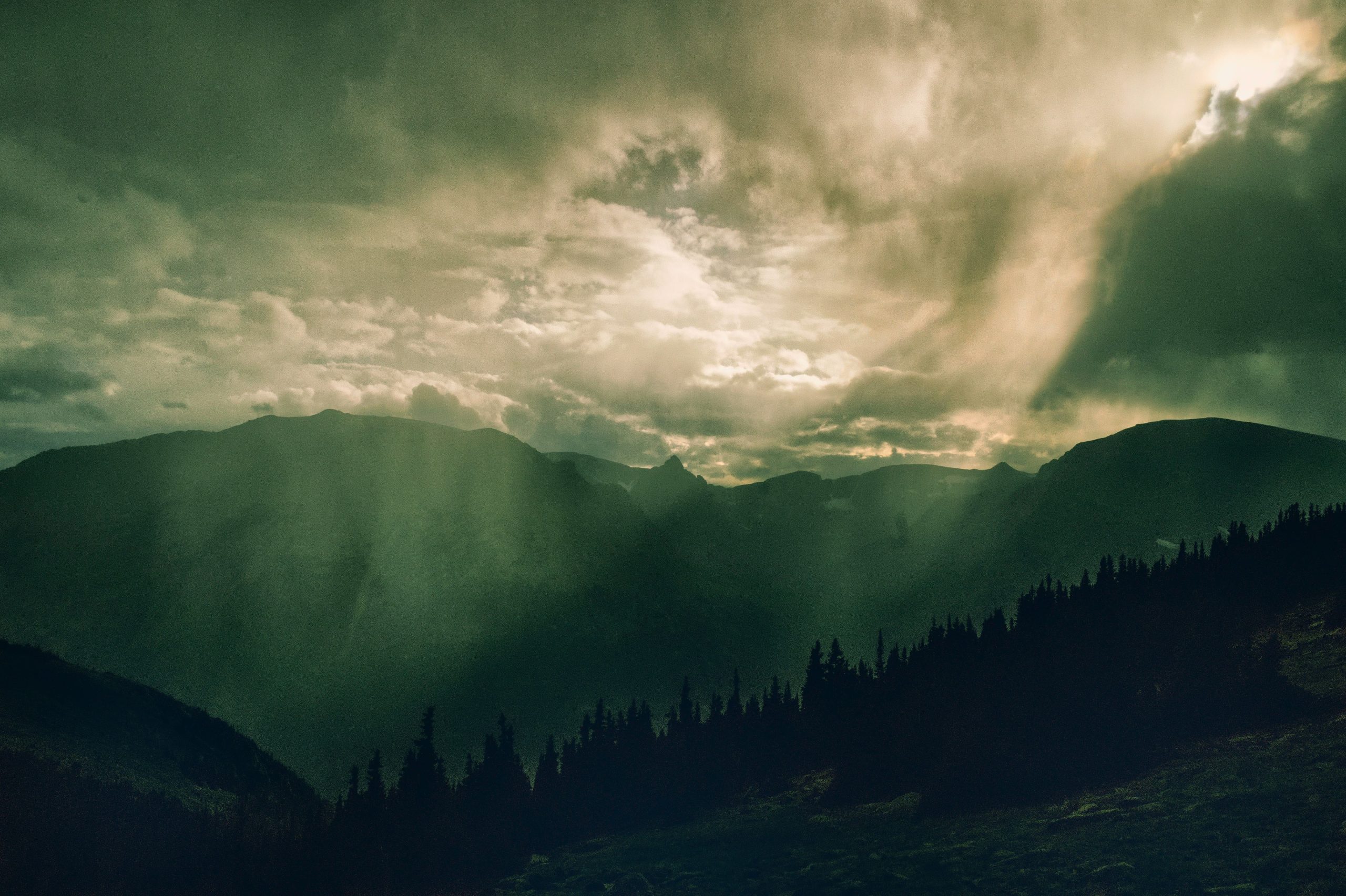
For another high-altitude adventure, head to Rocky Mountain National Park.
Trail Ridge Road climbs above the tree line and reaches more than 12,000 feet, carrying riders from forested valleys into an alpine landscape of sweeping mountain views and open sky.
It’s a completely different riding experience from cruising along the coast or through the desert.
Up here, the air is thinner, the temperature is cooler, and weather can change quickly.
Take your time, watch the forecast, and give yourself plenty of room to enjoy the ride.
After all, when you’ve climbed this high, there’s no reason to rush.
Fall: Ride for the Scenery
If there’s one season that seems tailor-made for motorcycle riding, it might be fall.
The temperatures are often ideal. Summer crowds begin to thin out. And across much of the country, the landscape puts on a show.
Fall is the perfect time to seek out winding roads through forests, mountain passes, and rural backroads where the scenery changes around every corner.
Great Smoky Mountains, Tennessee and North Carolina
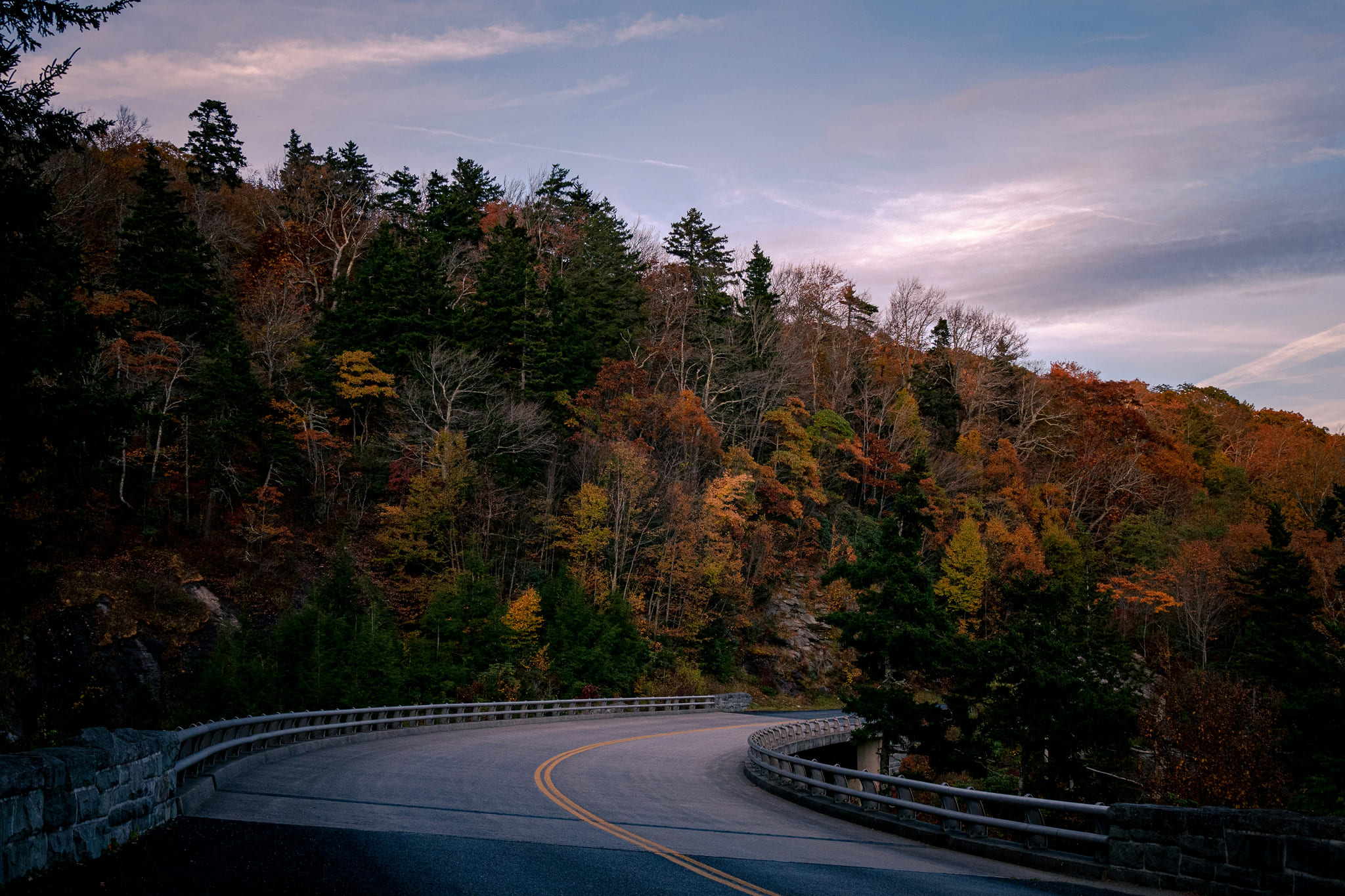
The Great Smoky Mountains are already famous for their winding roads and dense forests. In the fall, they become something else entirely.
As the leaves begin to change, roads like Newfound Gap Road take riders through a constantly shifting landscape of reds, oranges, yellows, and deep greens.
The elevation changes add another layer to the experience. You can start in warmer conditions down in the valleys and find yourself in significantly cooler air as you climb toward the higher elevations.
And because there’s so much to see, this is a ride where it pays to slow down.
Pull into an overlook. Stop for a hike. Find a small town for lunch. Let the ride unfold instead of treating it like a route you need to complete.
Vermont and New England
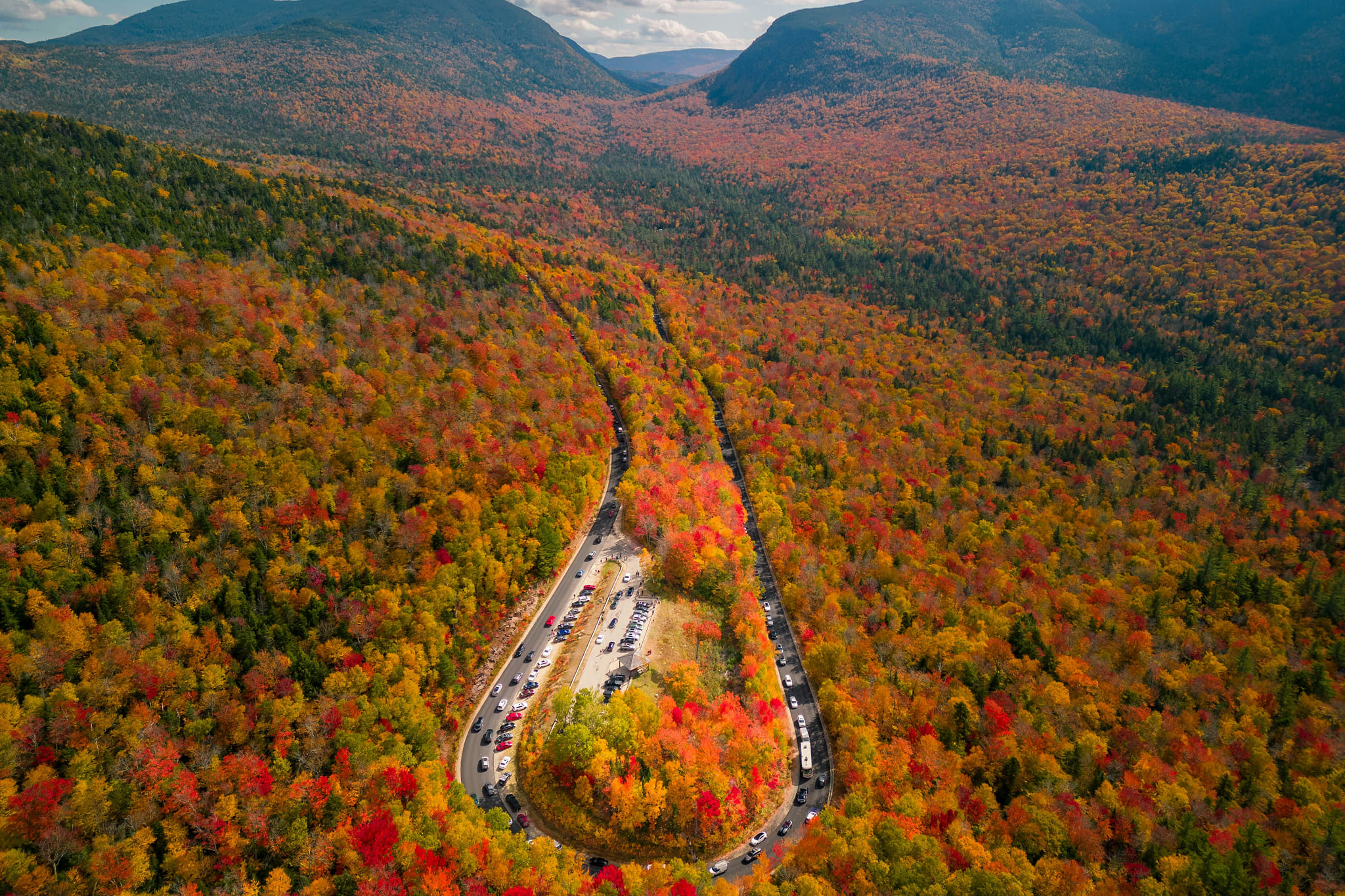
Fall might just be the perfect riding season, and New England is hard to beat when the leaves start turning.
Vermont Route 100 runs through the Green Mountains, winding past forests, farms, mountain towns, and plenty of classic fall scenery. For a shorter ride, the Molly Stark Scenic Byway offers 48 miles through southern Vermont.
Over in New Hampshire, the Kancamagus Highway is a must. The 34.5-mile route cuts through the White Mountains with sweeping views and plenty of spots to pull over.
And if you’re heading into Maine, check out the Rangeley Lakes Scenic Byway for 52 miles of mountain and lake views.
Wherever you go, keep an eye on the weather. Fall temperatures can drop fast, and wet leaves can make corners slick.
The scenery might encourage you to stop and stare.
The road still deserves your full attention.
Winter: Follow the Sun
When winter arrives, many riders have two choices: park the bike until spring or find somewhere that doesn’t feel like winter.
For riders who aren’t ready to put the keys away, the southern half of the country offers plenty of possibilities.
The desert Southwest is particularly appealing during the cooler months, when temperatures that can be punishing in summer become much more comfortable.
Death Valley, California and Nevada
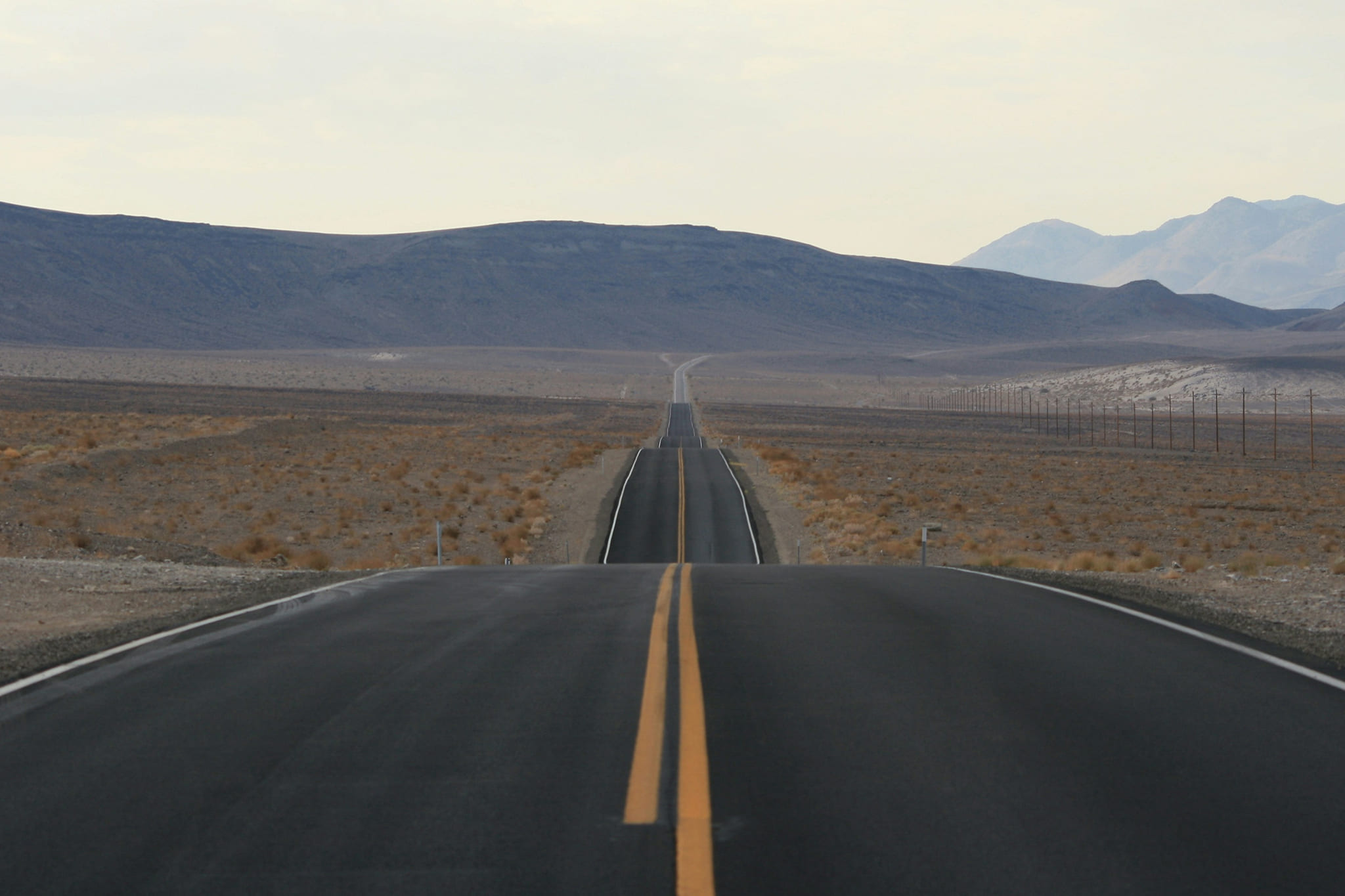
Death Valley might not sound like an obvious winter destination, but that’s exactly what makes it so good.
During the cooler months, the park’s enormous desert landscapes become much more approachable by motorcycle. Roads wind between rugged mountains, colorful rock formations, salt flats, and vast stretches of open terrain.
Highway 190 provides a spectacular way through the park, while routes like Artists Drive offer shorter scenic detours through the surrounding landscape.
For experienced adventure riders, there are also hundreds of miles of unpaved backcountry roads to explore, although conditions and road closures should always be checked before heading out.
And winter is the time to do it.
Summer temperatures in Death Valley can become dangerously extreme. During the cooler months, however, the desert offers exactly what many riders are looking for: open roads, big views, and plenty of space to roam.
Joshua Tree, California
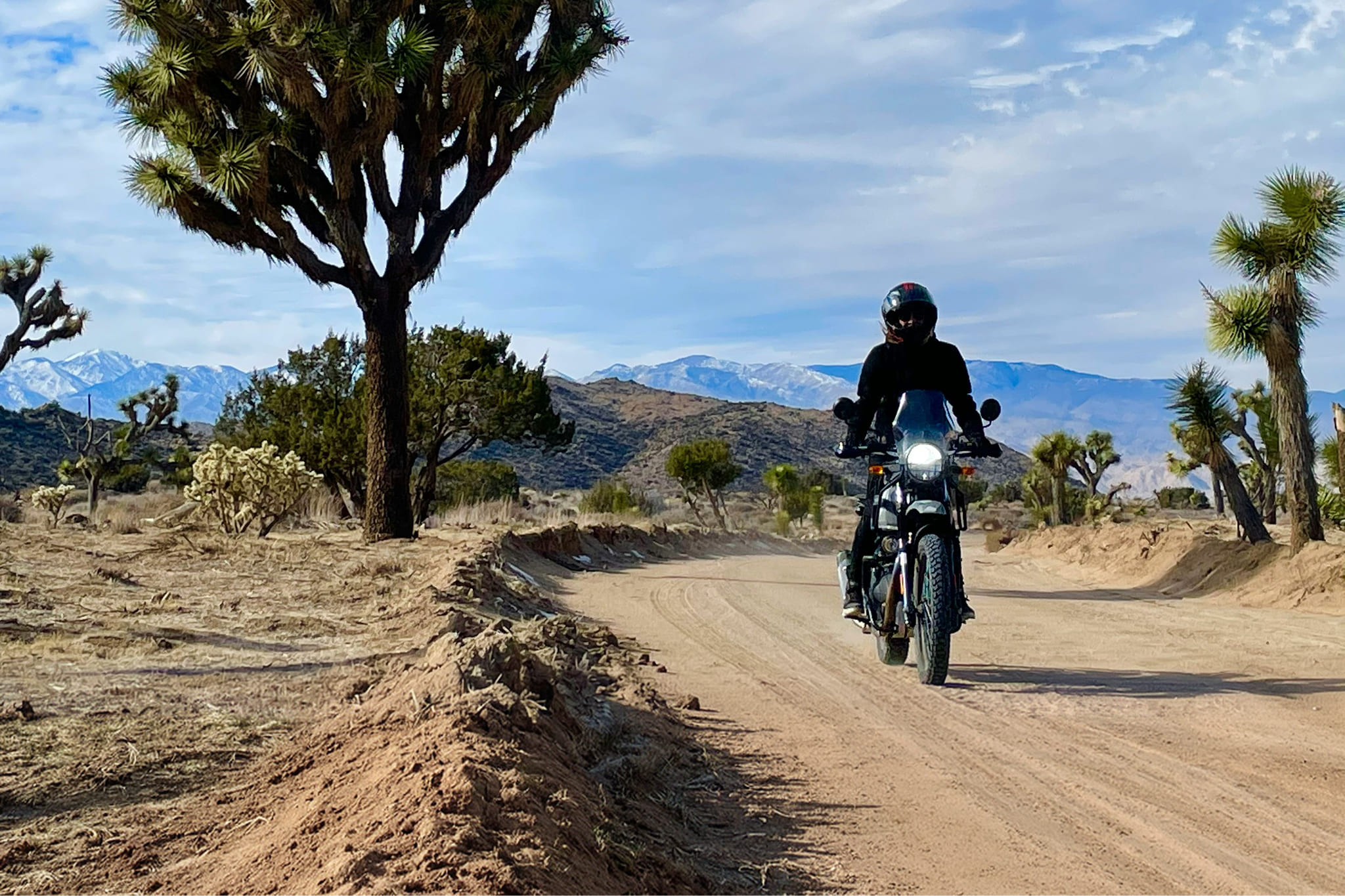
When winter sends everyone else indoors, Joshua Tree is just getting good.
The desert’s cooler temperatures make winter an ideal time to explore the roads around Joshua Tree National Park, where rugged rock formations, wide-open desert, and winding pavement create a ride that feels a world away from the cold.
Take California Highway 62 through the high desert, then make your way into the park for roads like Park Boulevard and Pinto Basin Road. Stop for the views, explore a little, and let the landscape do the talking.
Just keep an eye on the temperature — desert nights can get surprisingly cold.
Winter doesn’t mean you have to park the bike. It just means you might need a jacket.
And Then There’s the In-Between
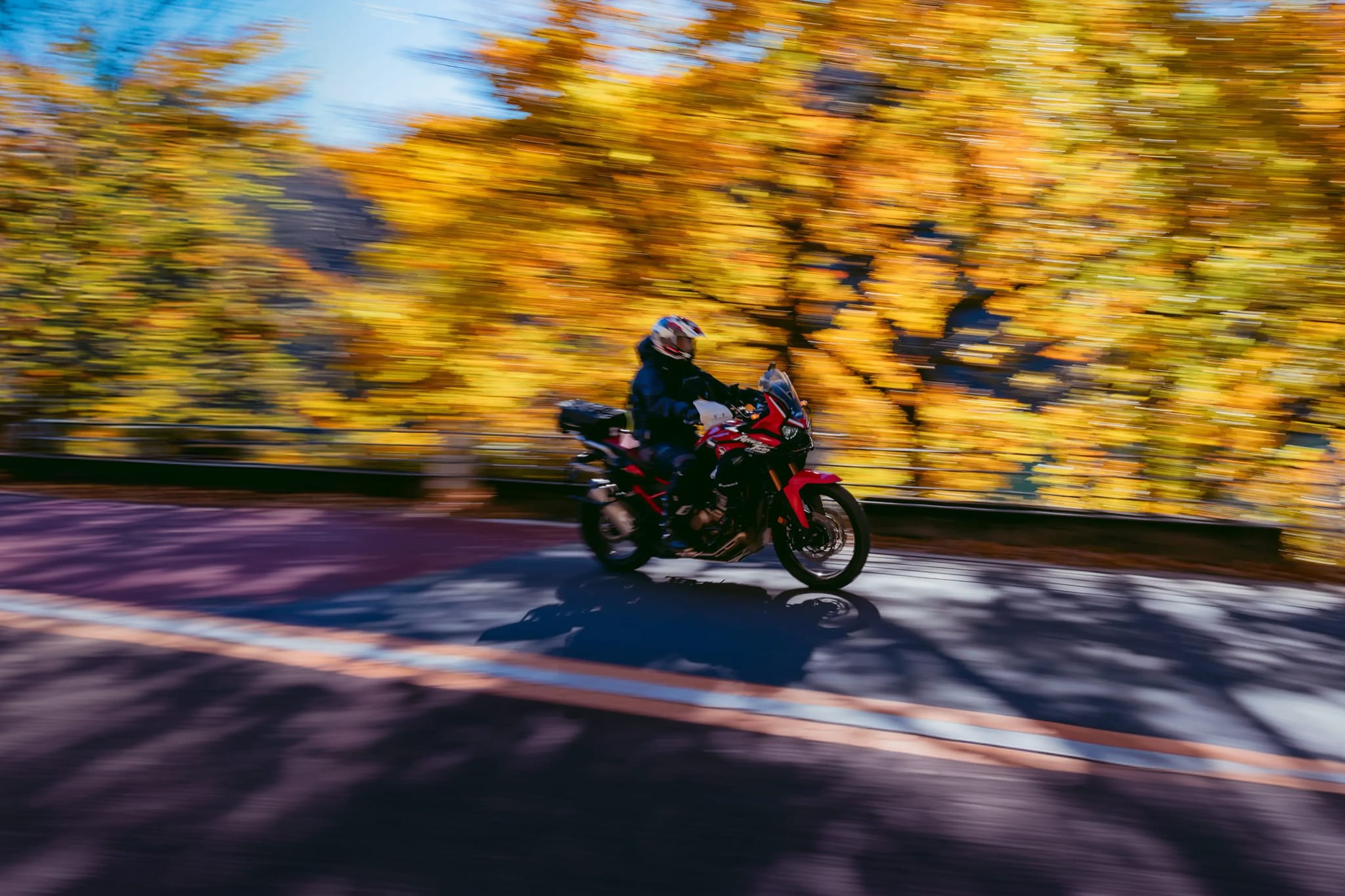
Of course, the seasons don’t always follow a perfect calendar.
Somewhere in the country, there’s almost always a road ready to be ridden.
That’s one of the best things about motorcycling. Your riding season doesn’t necessarily have to begin in spring and end in fall. It can move with you.
When temperatures drop, head south.
When summer heat arrives, climb into the mountains.
When the leaves change, follow the color.
And when spring returns, find the roads that are just beginning to wake up.
The more you ride, the more you start thinking about the country as a collection of riding seasons rather than four seasons on a calendar.
Plan Around the Conditions, Not Just the Calendar
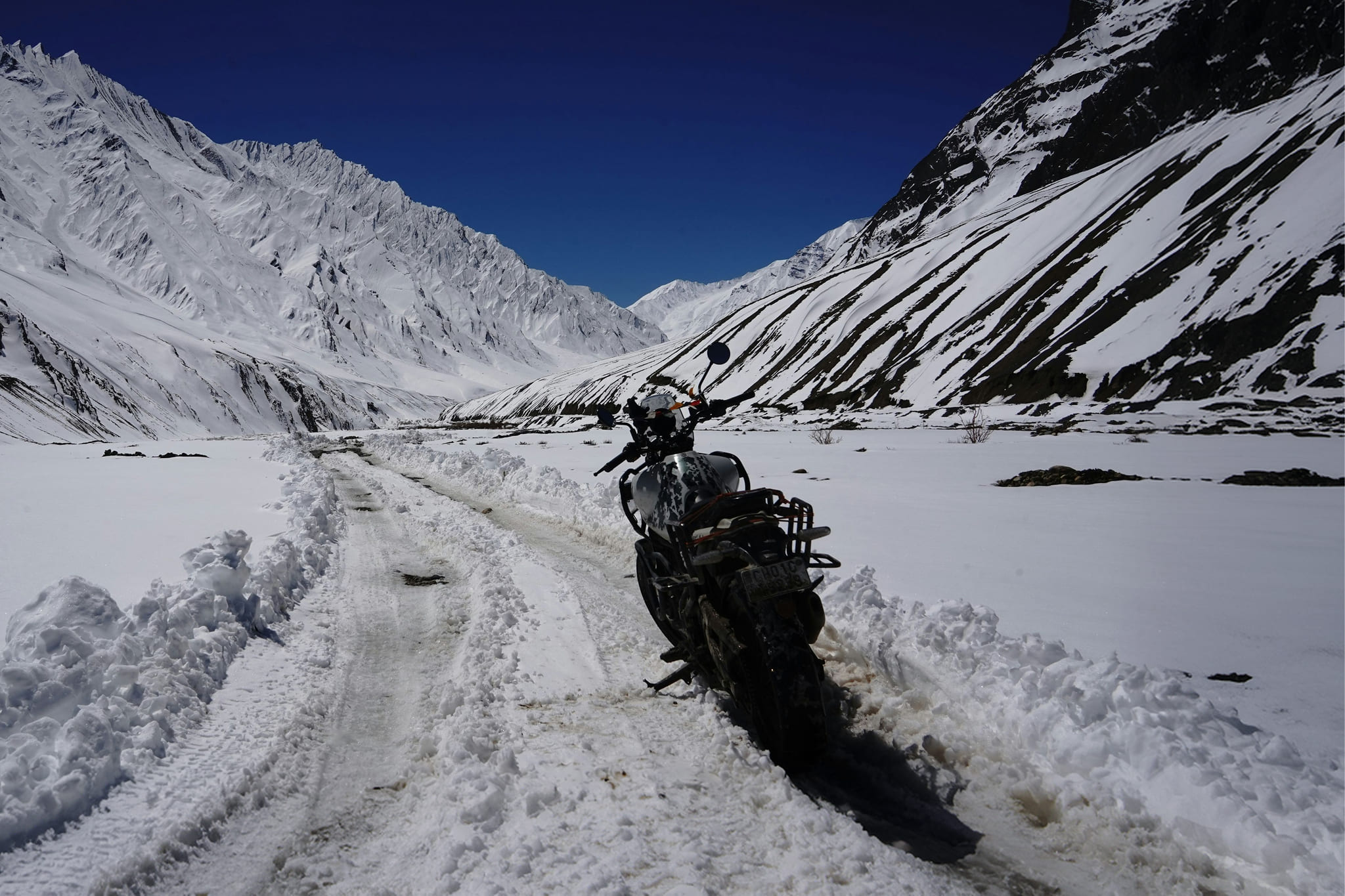
Wherever you’re headed, remember that the season is only part of the equation.
Weather, elevation, road conditions, closures, construction, traffic, and daylight can all change what a route feels like on any given day.
Before a longer ride, check the forecast and current road conditions for your route. Give yourself extra time when riding unfamiliar roads, especially in the mountains or in areas where weather can change quickly.
And think beyond the destination.
Make sure you know where you’ll fuel up, where you can stop for food or a break, and what your options are if conditions change. A little planning can make the difference between spending the day worrying about the road ahead and actually enjoying it.
Because the goal isn’t simply to get somewhere.
It’s to enjoy getting there.
There’s Always Somewhere to Ride
One of the best things about riding is that the road never really runs out.
There are mountain passes waiting for summer, forests that come alive in the fall, coastal roads made for spring, and desert landscapes that become inviting when the rest of the country gets cold.
And you don’t always need a massive road trip to find them.
Sometimes the best ride is a few hours from home. Sometimes it’s a weekend away. And sometimes it’s the kind of trip that takes a week, a map, and absolutely no interest in taking the fastest route.
The important thing is knowing what the season has to offer and getting out there to experience it.
Ready to plan your next ride? Explore more tips, guides, and inspiration from Ride With Us, and find your next reason to get out there.
Because there’s always another road, another season, and another ride waiting.