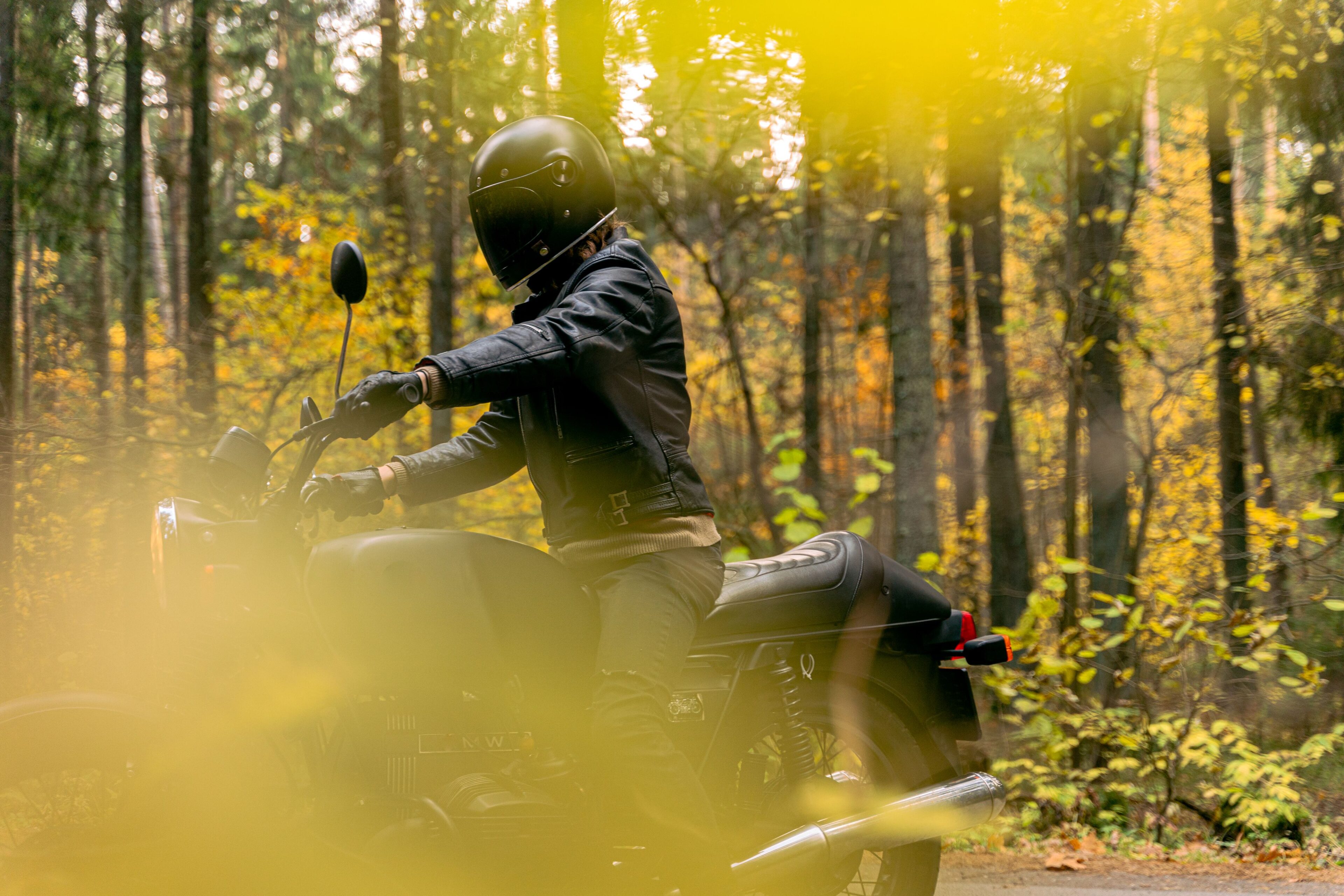
Every season offers something on a motorcycle, but fall is different.
There is a quality to fall riding that riders who have experienced it tend to describe the same way. Clearer. Quieter. More present. Like the season itself is asking you to pay attention.
If you have not figured out yet why so many riders consider autumn their favorite time on the bike, here is the case for it.
The Light Is Different
Fall light has a quality that summer light does not. Lower in the sky, warmer in tone, angled in a way that makes everything look a little more dramatic. The way it hits a ridge line in the late afternoon. The way it comes through a canopy of turning leaves and lands on the road ahead of you.
You notice it more on a motorcycle than you ever would in a car. Riding into a fall afternoon with that light in your face and the road curving ahead is one of those experiences that is hard to describe to someone who has not had it.
The Temperature Is Finally Right
Summer riding has its pleasures, but heat is a real variable that requires management. Hydration, timing, ventilation, taking breaks before you need them. Riding in July takes effort.
Fall strips a lot of that away. Temperatures in the 50s and 60s are about as close to ideal riding conditions as most climates get. Cool enough to be comfortable in gear, warm enough that you are not fighting the cold. The air feels crisp rather than heavy. Your bike runs better in cooler temps. Your concentration is easier to hold.
There is a reason so many riders describe fall as the season where riding finally feels effortless.
The Roads Get Quieter
Summer fills popular routes with traffic: family road trips, tourists, and weekend campers. The roads you love most can feel crowded from June through August.
Fall changes that as the casual traffic drops off. The overlooks have breathing room. The scenic byways that felt like a parade route in July feel like yours again in October.
This is especially true of the routes worth riding — the mountain roads, the river highways, the passes that draw riders specifically. They do not disappear in fall. They just have fewer people on them. That shift changes the experience more than most riders expect.
The Colors Are the Point
Fall foliage is one of those things that seems like a cliché until you are actually riding through it.
There is no better way to experience it than on a motorcycle. You smell the leaves. You feel the temperature shift as you drop into a valley or climb toward a ridge. The color is not something you see through a windshield from a distance; it surrounds you.
Peak color varies significantly by region and by year, typically running from late September in the northern states through mid-November further south. Paying attention to local foliage reports and planning a ride around peak timing is one of the more rewarding things you can do with a fall weekend.
There Is a Deadline
This is the part that changes how you ride in fall.
Spring and summer riding feel open-ended. There is always next weekend. Another chance to get out. The season stretches ahead of you.
Fall does not feel that way. You’re constantly reminded it’s closing as the days are getting shorter and the temperatures drop. At some point the season ends and the bike goes into storage or the rides become much shorter.
That awareness makes fall rides feel different. You are not just riding; you are making the most of what is left. That urgency, the good kind, sharpens your attention in a way that is hard to replicate in the middle of summer when riding feels infinite.
Riders who have wintered through a few seasons will tell you: the last good ride of the year is one you remember.
How to Make the Most of It
Knowing fall riding is special and actually taking advantage of it are two different things. Here are a few things that help:
Ride mornings and middays. Fall temperatures can swing significantly between sunrise and midafternoon. Early morning rides in late October can be cold. The middle of the day is usually your best window for comfortable riding. Plan accordingly.
Layer thoughtfully. The temperature at the start of a fall ride and the temperature two hours later can be very different. Layers you can add or remove are more useful than one heavy jacket. Waterproof gloves are worth having as temperatures drop and morning dew becomes a factor.
Watch for leaves on the road. Wet leaves on pavement behave similarly to other slick surfaces. They are most problematic in shaded areas that do not dry out between morning and afternoon. This is worth knowing, not to discourage fall riding, but to ride with awareness.
Plan at least one dedicated fall ride. Not just a quick loop around the neighborhood. A real ride. A route that takes you through the terrain fall does best — elevation, canopy, open views. Block the time and do it intentionally before the season closes.
Ride something new. Fall is a good time to explore a route you have been meaning to try. The conditions are favorable, the crowds are down, and the scenery is at its best. If there is a road on your list, this is the season to ride it.
The Last Good Ride
At some point every fall, you take a ride and do not realize until later that it was the last good one of the year. The weather turned. The season closed. That ride was it.
The goal is to have enough of them that you are not left wishing you had gotten out more. Fall is generous with good riding days, but it doesn’t last.
Get out there while it does.
Looking for fall routes worth riding? Check out our Scenic Rides Not to Miss this Fall and explore more at Epic Trips.