New to riding? Learn what to consider before buying your first motorcycle, including training, budgeting, engine size, gear, and test ride tips.
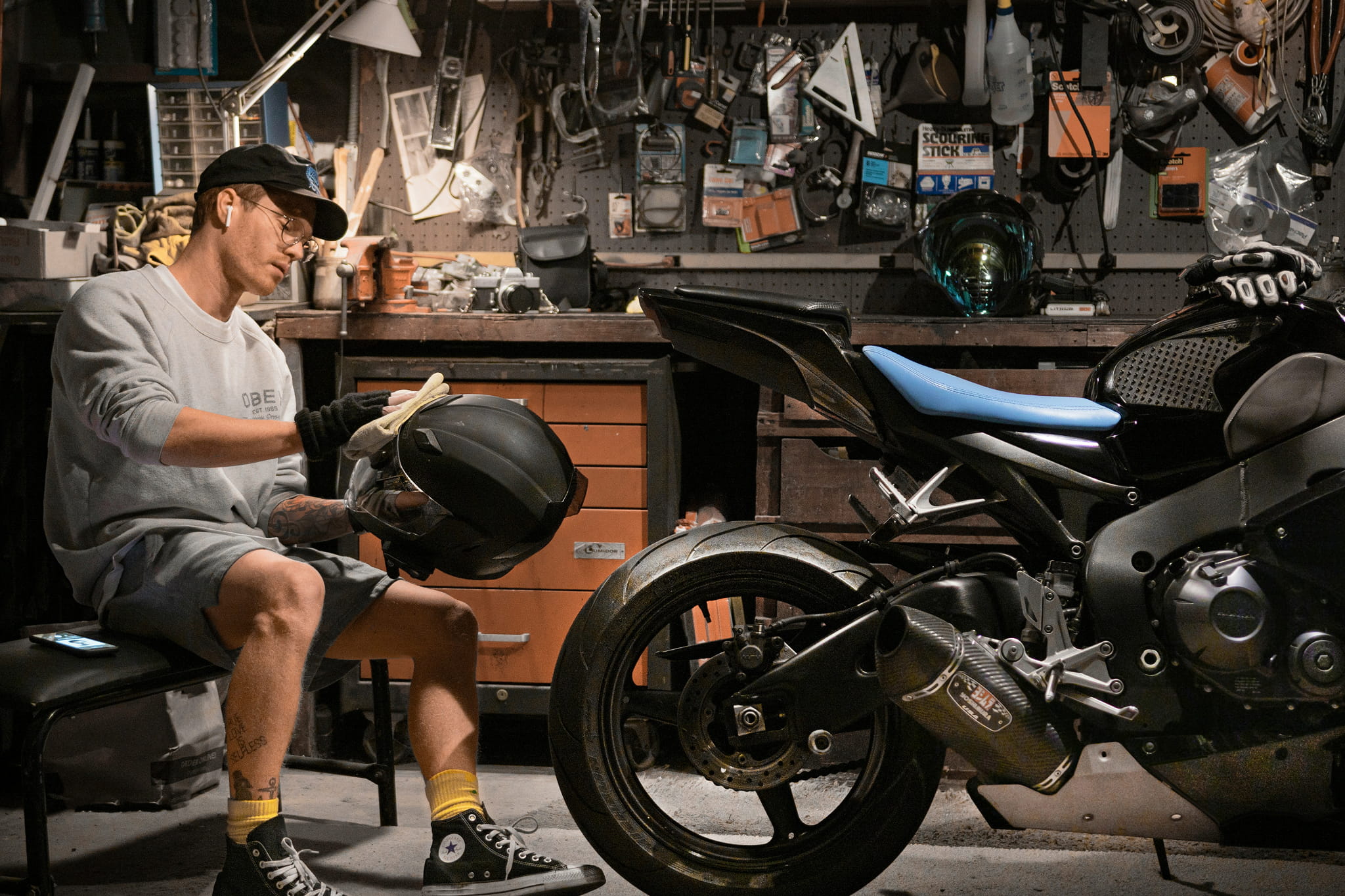
Maybe a friend took you for a ride, and something clicked. Maybe you just drove past a parking lot full of bikes and thought, “Yeah. I want that.” Maybe you were scrolling through your feed at 3 AM and had this inexplicable hunger just to get out there and feel the open road.
Whatever sparked that interest, you’re definitely not alone.
People are drawn to riding motorcycles for so many reasons. It could be the freedom, the thrill of acceleration, or the stress melting away as you focus on nothing but the road ahead. Many riders find joy in developing a deep connection with their machine, finding satisfaction in learning its quirks and making it their own.
And then there’s the community: that instant bond with other riders, the knowing wave when you pass each other, the stories swapped at rest stops. On the practical side, motorcycles are easier to park, more fuel-efficient, and cheaper to maintain than a car.
Before any of that, you need to get your hands on your own motorcycle.
But getting a motorcycle isn’t a quick done-deal you can breeze through in an afternoon. There’s a lot to figure out, and that’s actually part of the fun. This guide is here to help you navigate it all so you can make a decision you’ll feel great about.
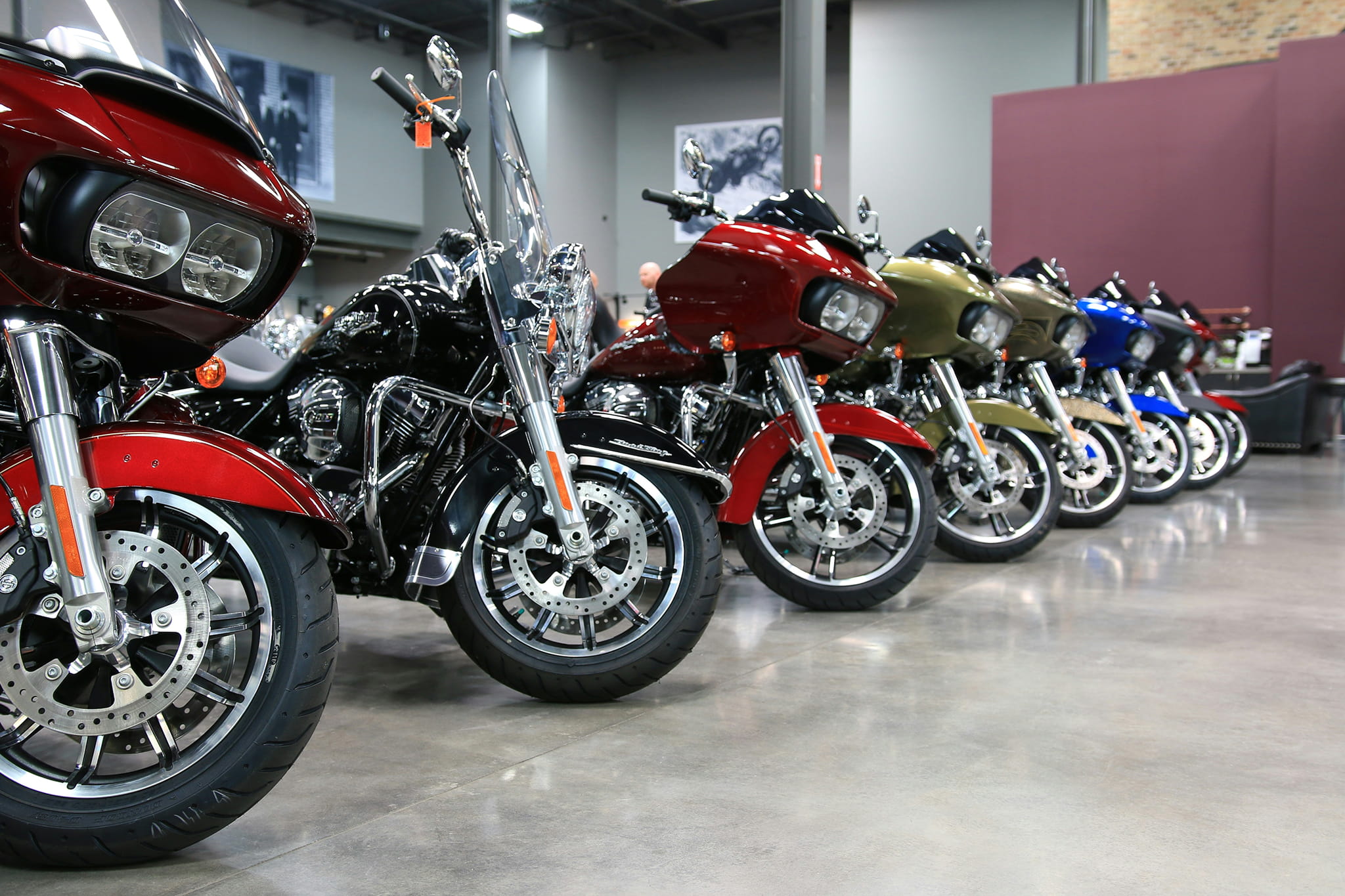
Before You Shop: What Every New Rider Should Do First
Before you start browsing listings or wandering into dealerships, there are a few things worth getting in place first. Taking care of these basics will set you up for a stronger start.
Get Licensed and Trained
Get your motorcycle permit and sign up for a beginner safety course like the Basic RiderCourse offered by the MSF (Motorcycle Safety Foundation). Professional instruction helps you build habits that serve you for years: slow speed control, emergency braking, and muscle memory that kicks in when you need it most.
Plus, completing a safety course puts you on the fast track to getting your license by allowing you to skip the road test in many states, and many insurance companies offer discounts for course completion, too.
Define Your Riding Style
Think thoroughly about how you’ll actually use your bike. Commuting through city traffic? Exploring backroads on weekends? Long-distance touring? Your answer shapes everything: the type of bike you need, the features that matter, and the gear you’ll want.
Create a Realistic Budget
Although less expensive than a standard car, motorcycles are still an investment. With so many great options and features to choose from, the cost can vary greatly. The bike is just one piece. Gear (helmet, jacket, gloves, pants, boots) typically runs $600 to $1,000. Then there’s insurance, registration, taxes, and ongoing maintenance.
Accessories like locks and phone mounts add up, too. Planning for these costs ahead of time lets you enjoy the ride without the stress.
Start on a Smaller Bike
If there’s one piece of advice experienced riders wish they’d followed, it’s this: start smaller than you think you need. Bikes in the 125cc to 400cc range are ideal for most beginners. They’re forgiving, manageable, and they let you actually learn instead of just holding on.
On a lighter, lower-powered bike, you build skills instead of fighting the machine. And most riders drop their first bike at some point. It’s easier emotionally (and financially) when that happens to a sensible starter.
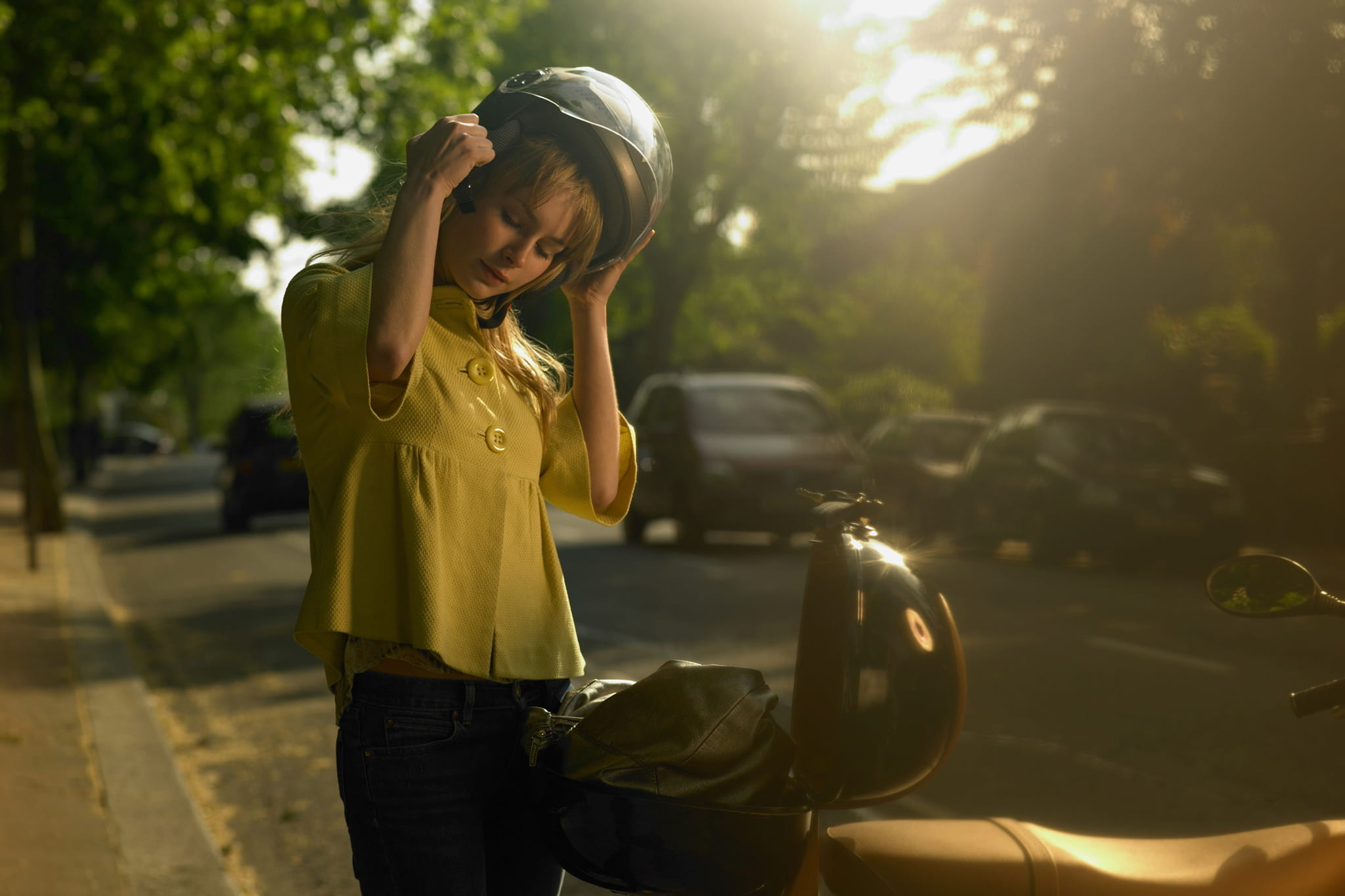
Choosing the Right Bike: What Matters Most for Beginners
Once you’ve got your training squared away and a budget in mind, it’s time for the fun part: finding your bike.
New vs. Used Motorcycles
There’s a strong case for buying used as a first-time rider. With a real chance of scratches in year one, a pre-owned bike takes the pressure off. The depreciation is already absorbed.
Buying through a dealership has advantages too: paperwork handled, inspections done, and less guesswork. Either path works.
Key Features to Look For
ABS (anti-lock braking system) is incredibly valuable for new riders. Don’t let anyone tell you it’s unnecessary. Beyond that, look for a manageable weight since a lighter bike builds confidence. Upright seating helps with visibility and comfort. Small conveniences, like a gear indicator and fuel gauge, are a real help when you’re learning.
Engine Size and Power
Engine displacement (cc) gets a lot of attention, but power-to-weight ratio matters more than the number on paper. A 750cc cruiser behaves very differently from a 600cc sport bike. Generally, beginners do well in the 300cc to 650cc range for street riding.
Ergonomics: How the Bike Feels
This might be the most underrated factor. A bike can look perfect in photos, but feel wrong when you hop on. Seat height, handlebar reach, clutch feel, brake response, and weight distribution all affect the experience.
We always recommend that you test ride as many bikes as possible. What fits your body matters far more than what’s trending online.
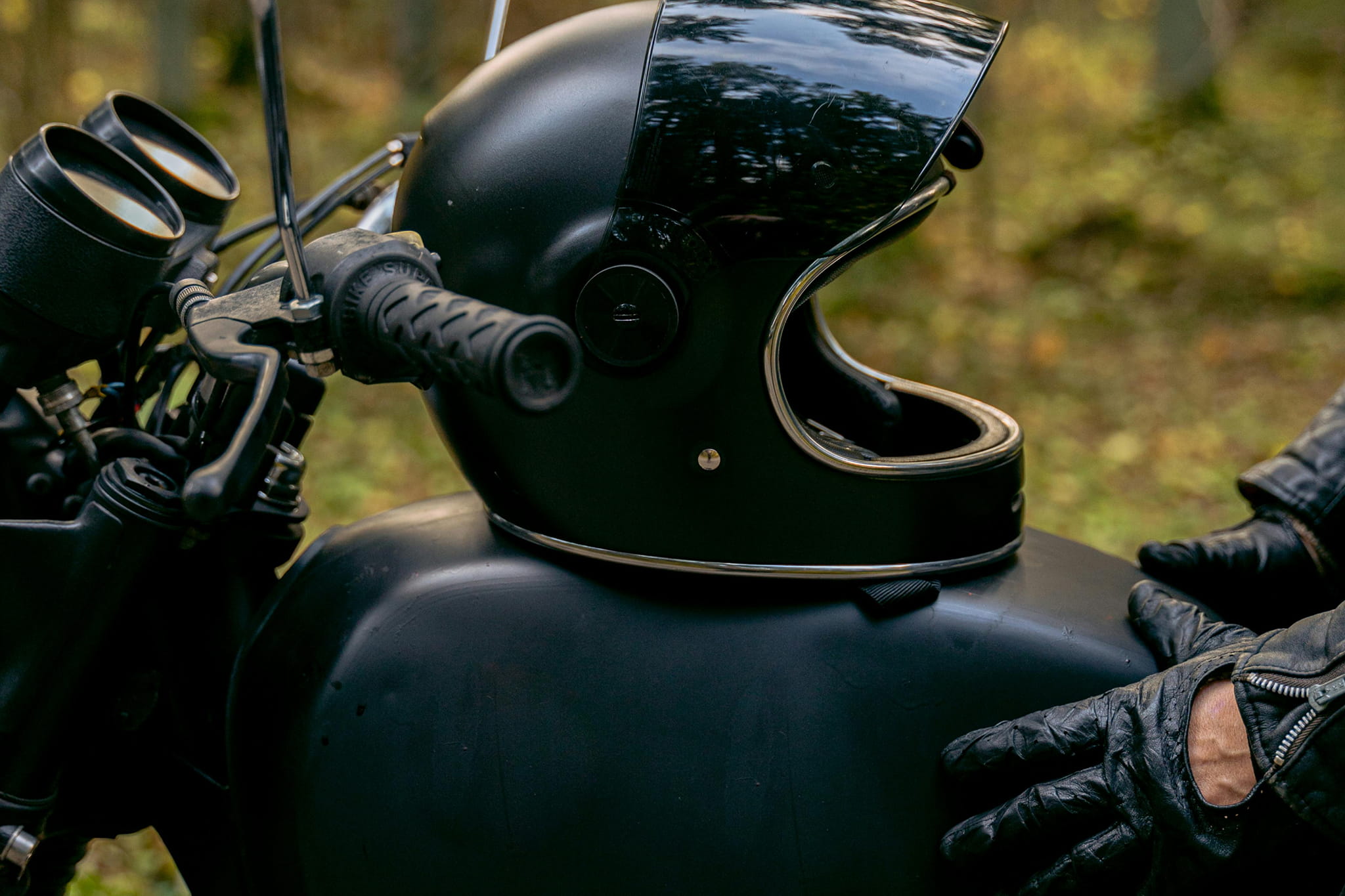
Safety Gear: Your Best Investment
Your gear matters just as much as your bike. Start with a full-face helmet. Add armored gloves, motorcycle boots with ankle protection, a jacket with armor (protective padding), and riding pants or armored jeans.
Visibility matters too. Brighter colors and reflective accents help other drivers see you. One note: buying secondhand gear is fine for most items, but helmets should always be new.
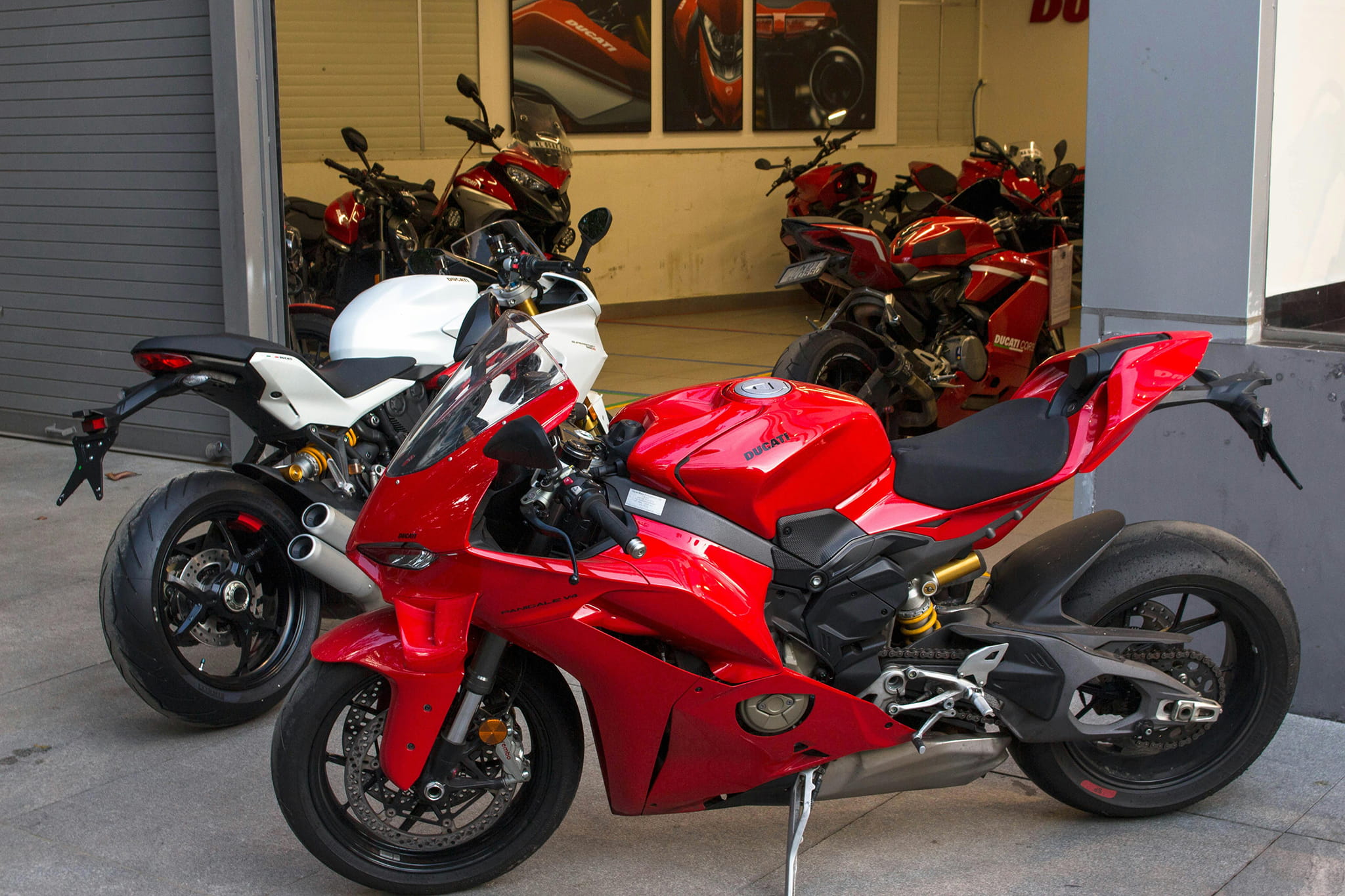
Test Riding, Inspecting, and Making the Final Decision
You’ve done your research and narrowed down your options. Now it’s time to get hands-on.
Test Ride Everything
Don’t settle for one test ride. Try multiple styles and several bikes within the same category. Pay attention to how the bike handles at low speeds. Notice how the brakes feel and how confident the experience makes you.
Inspect Any Used Bike Carefully
If you’re buying used, do your homework. Ask for service records. Check the tires for wear and age. Look at the chain condition. Listen for odd sounds when the engine runs. If possible, bring a friend who knows about motorcycles, but even better, contact a local shop to do a pre-purchase inspection if the owner is open to it.
Avoid Common Beginner Mistakes
Common mistakes beginners usually make are: choosing a bike purely based on looks, buying more power than you can handle, letting a friend push you toward something that doesn’t fit, and skipping training courses.
Take your time and ask questions. When you’re ready, choose what feels right for you.
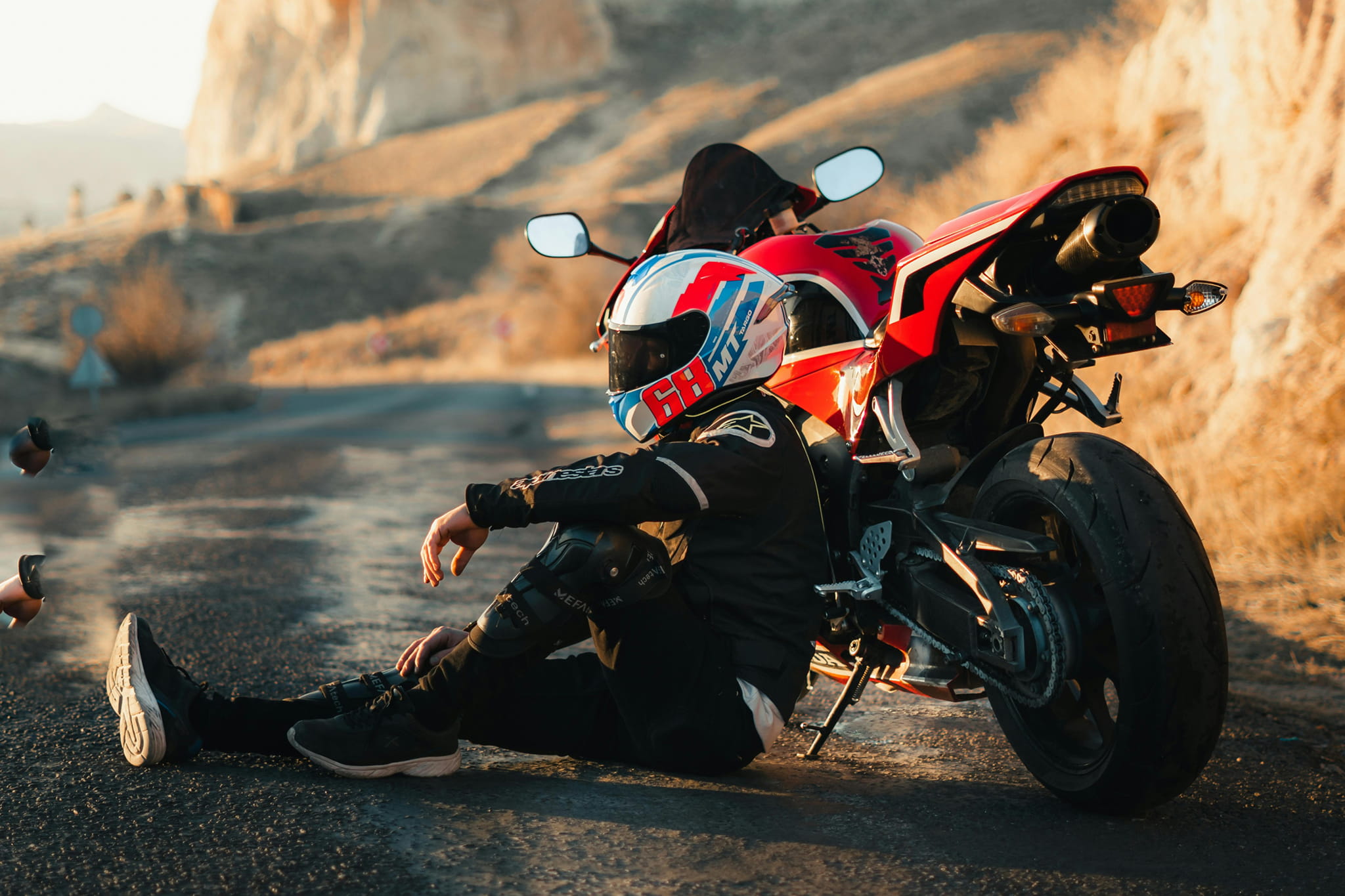
Start Smart, Stay Confident, and Enjoy the Ride
Now that you know what getting started is all about, it’s time to find a bike that’s right for you. There are plenty of options out there, from lightweight beginner bikes to more advanced machines, and exploring what’s available is all part of the journey.
Take your time, do your research, and remember: the best motorcycle is the one that gets you excited to gear up and ride. Want a little help narrowing it down? Try our quiz to find the right bike for your style and goals. Or check out our dealer locator to connect with a dealer near you who can guide you toward the perfect fit.
See you on the road!