They both have two wheels and an engine, but they’re designed for very different rides. Here’s what makes scooters and motorcycles different, and how to figure out which one fits your life.
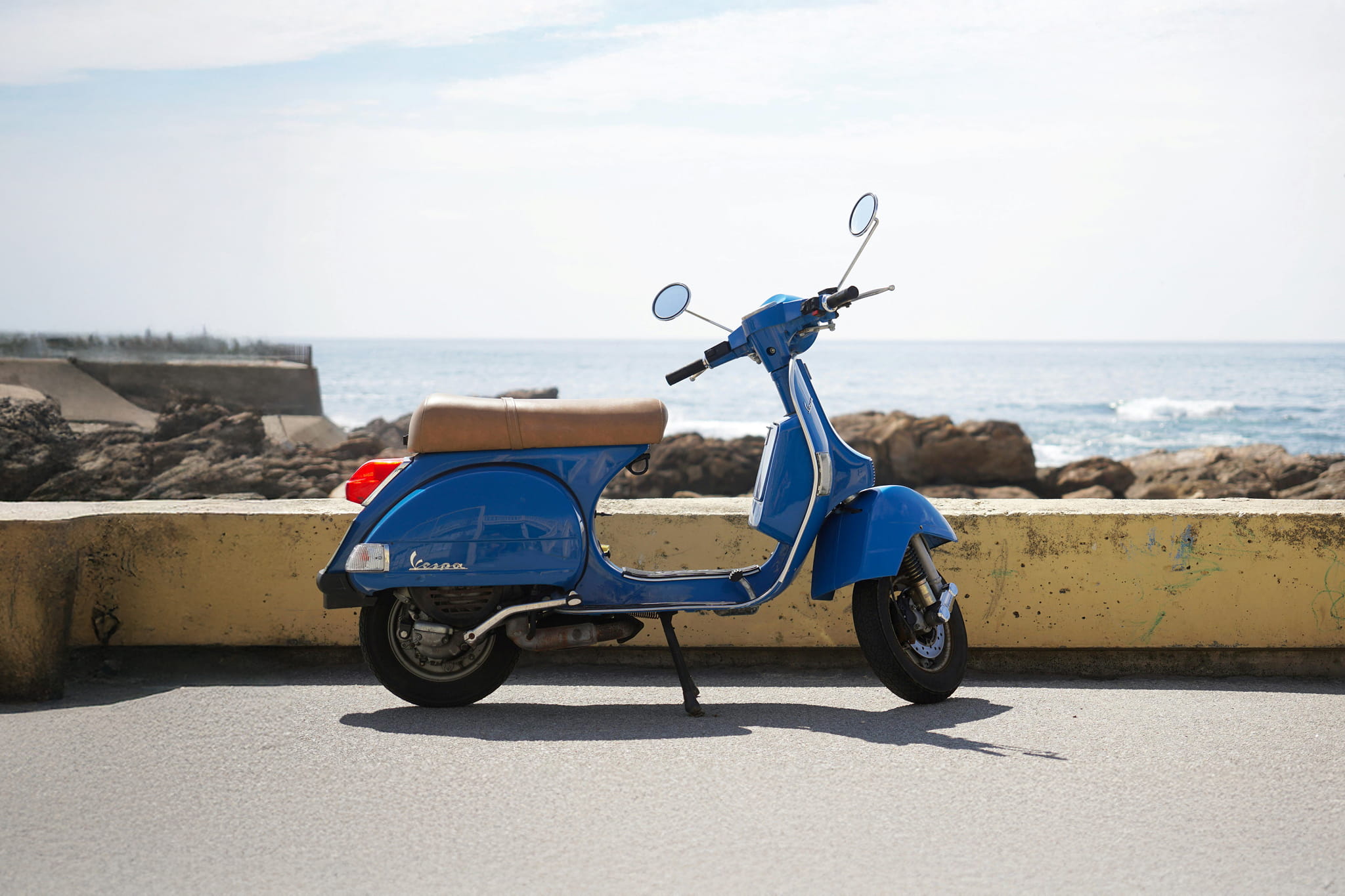
What comes to mind when you think of a scooter?
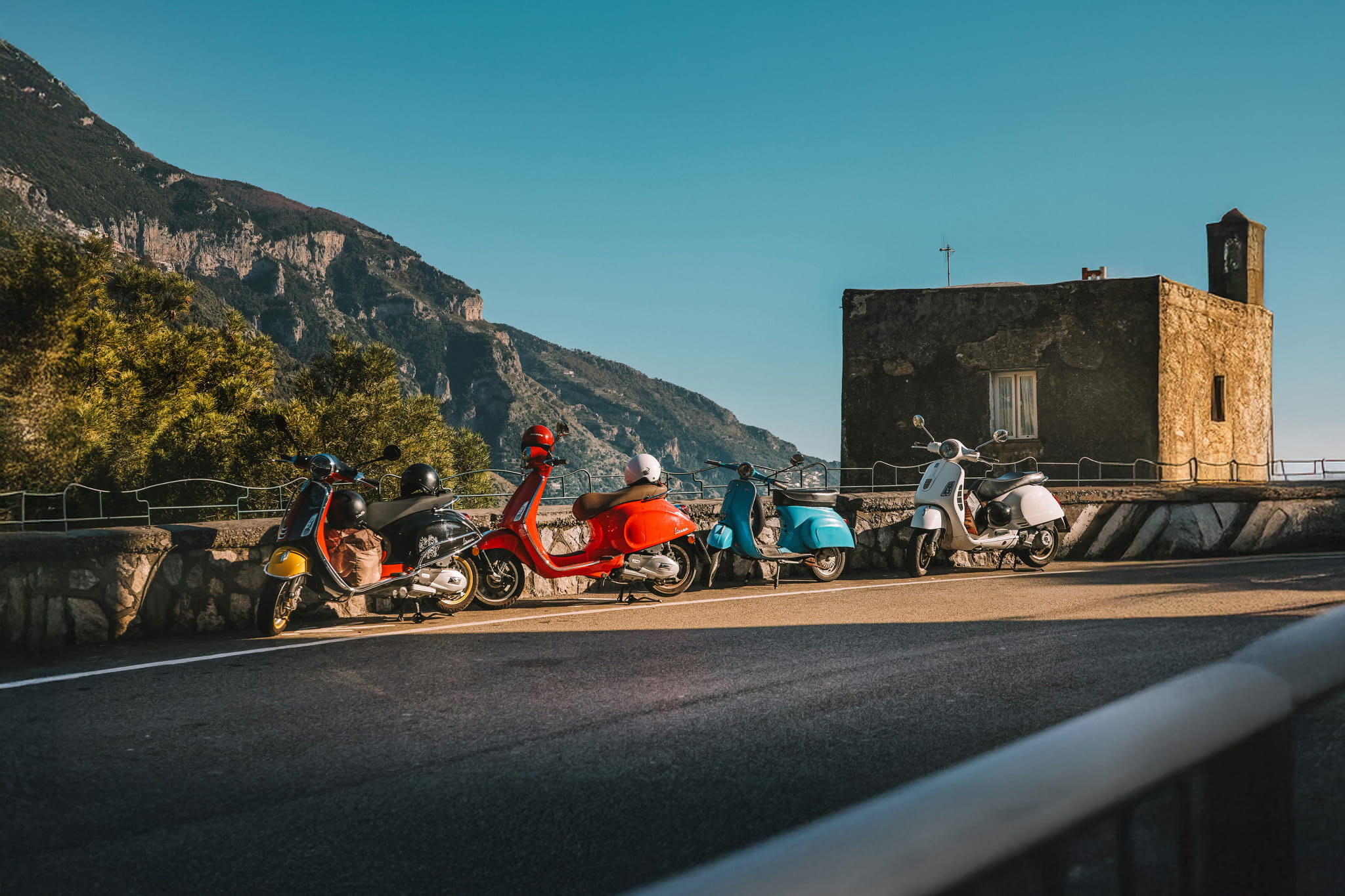
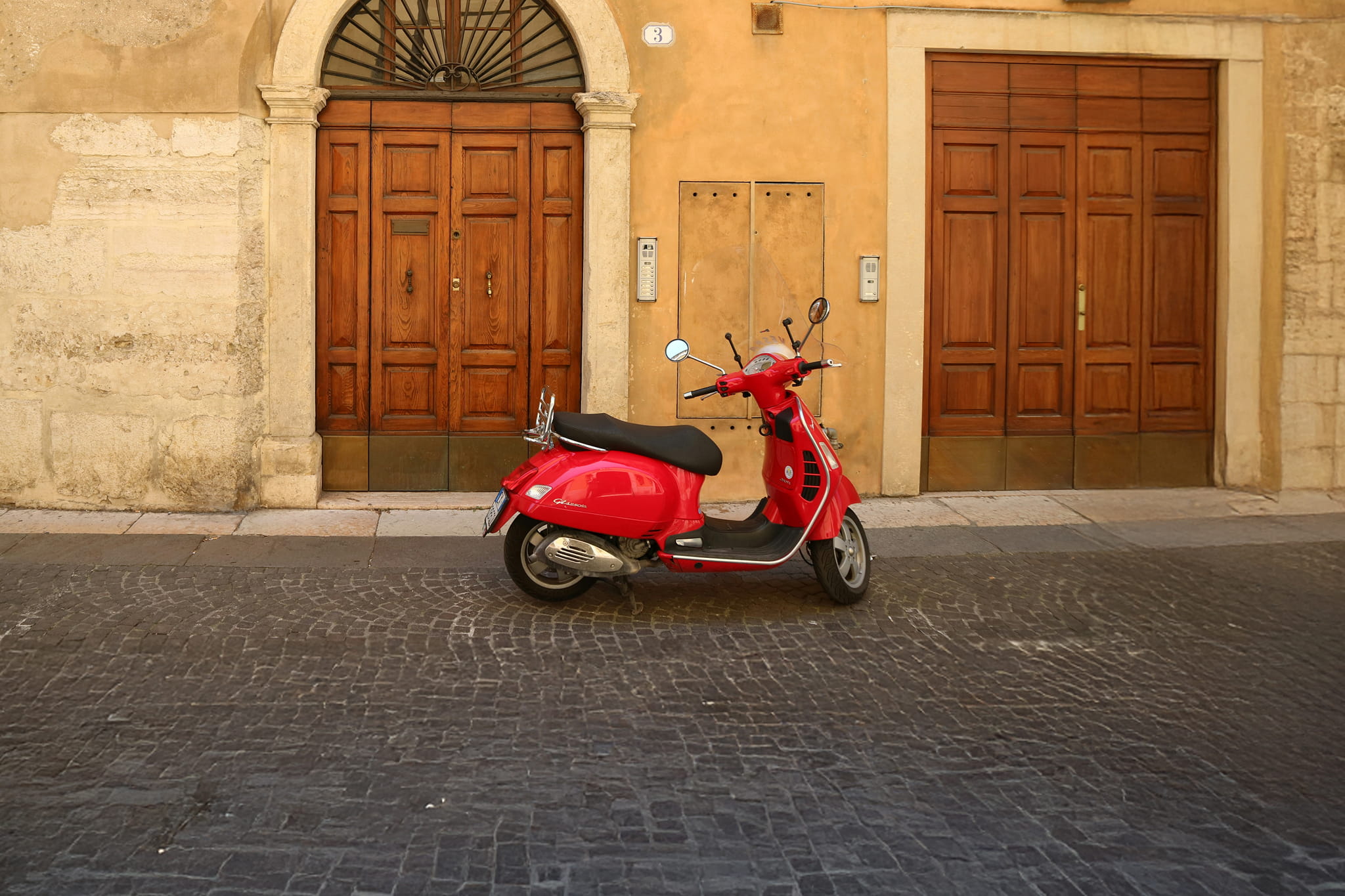
Maybe it’s scenic rides along cobblestone streets, the chic style of a Vespa, or effortlessly zipping through the city on a sunny day. For a lot of people, that image is part of the appeal, but it’s not the whole story.
Scooters offer a completely different experience from a motorcycle. They attract riders with diverse lifestyles, and they’re built for a variety of rides.
Once you understand where they actually diverge, figuring out which one fits your riding style gets a lot easier.
They’re More Different Than They Look
The most glaring difference is the frame. Scooters have what’s called a step-through design, which is a low, open body between the seat and the handlebars. All you have to do is step on and sit down, as there is no tank between your knees.
On the other hand, motorcycles use a straddle frame, where you throw a leg over, settle in, and your feet rest on pegs or forward controls, depending on the style.
Scooters also keep their engine under the seat, close to the rear wheel. That keeps the floor area flat and open. Whereas motorcycles mount the engine in the center of the frame, which is part of what gives them their structure and feel.
The wheels are different, too. Scooters run smaller, usually between 10 and 16 inches. Motorcycles run bigger, generally 17 to 21 inches. Bigger wheels mean more stability at higher speeds and more confidence on rougher roads.
Twist and Go vs. Clutch and Shift
The way you ride them is where things start to split.
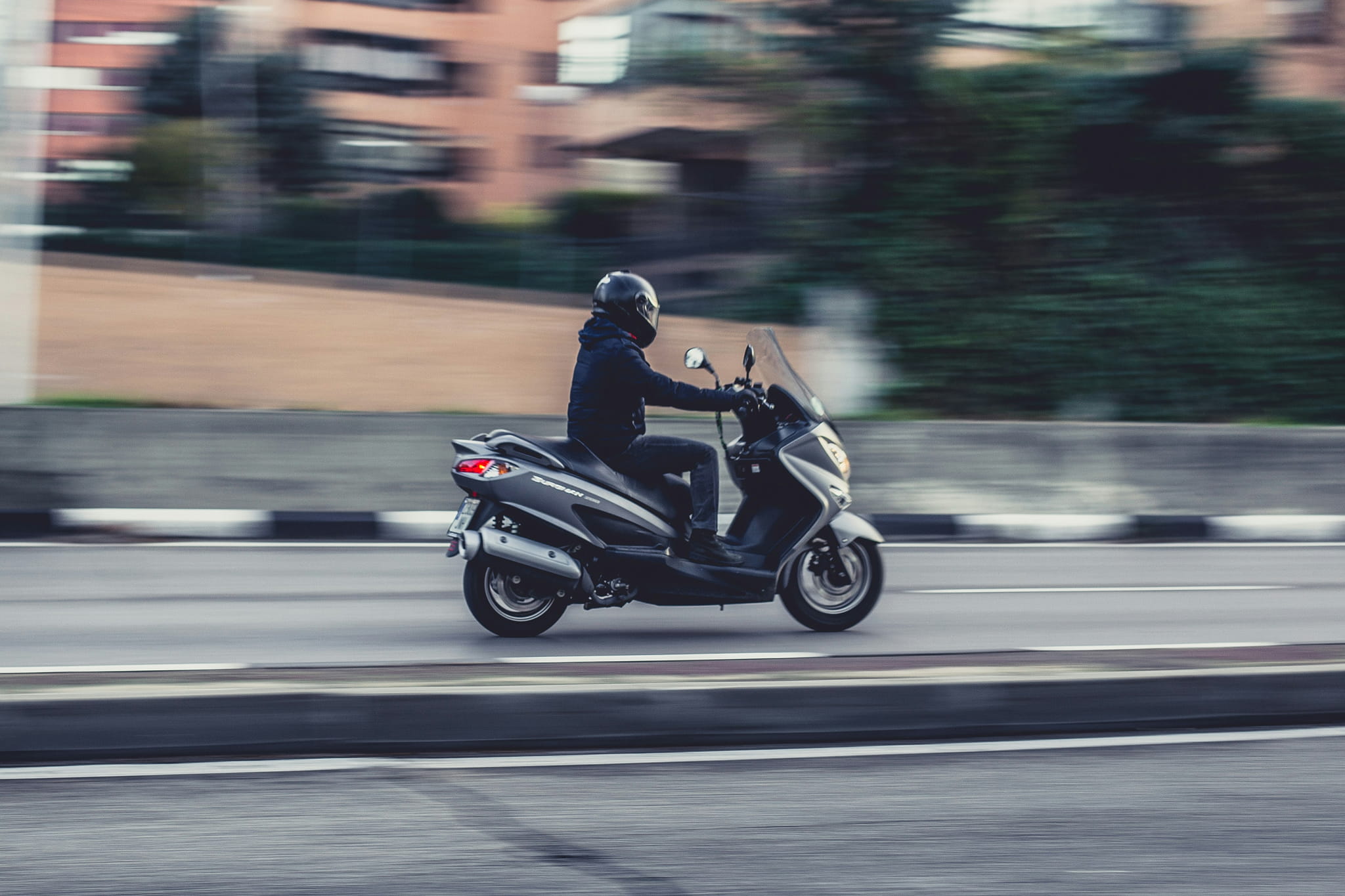
Almost every modern scooter uses an automatic transmission, specifically a continuously variable transmission (CVT). You twist the throttle, and you’re off to the races. There’s no clutch to operate, no gears to shift, and no stall risk. Scooters are intuitive from day one.
Most motorcycles use a manual transmission with a hand clutch and foot-operated gear shifter. You control the gears yourself, and that coordination is one of the first real skills you learn as a rider. It takes practice to get the hang of it, but once it clicks, it becomes second nature. And for a lot of new riders, that feeling of control is a big part of what makes motorcycling so satisfying.
(A few motorcycles come with automatic or semi-automatic transmissions, but manual is still the norm.)
How Much Power Do You Actually Need?
This is an important question that will determine whether a scooter or motorcycle is better suited for your riding style.
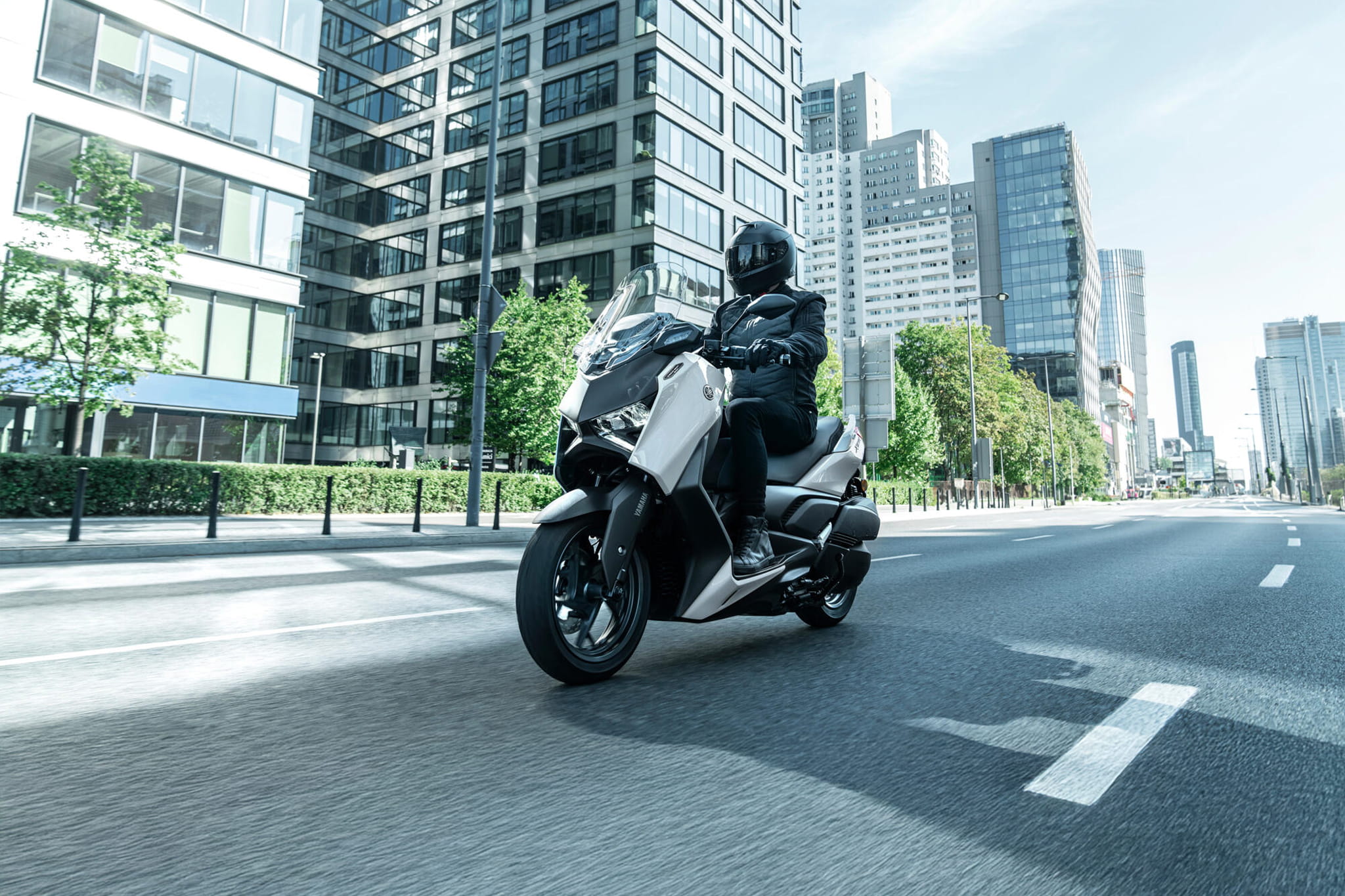
Most everyday scooter models are powered by smaller engines that range anywhere from 50cc to 300cc, though max-scooters can go up to 650cc and higher. A 50cc scooter will max out around 30 to 40 mph. Step up to 150cc or 300cc, and you can handle short highway stretches, but most scooters are still best suited for city speeds.
Compare that with motorcycles, which start around 125cc for small beginner bikes and go all the way up to 1,800cc and beyond at the high end. That range means there’s a motorcycle for basically every type of style, whether you’re commuting to work, taking a weekend trip on a cruiser, or hitting the track for sport riding.
Licensing requirements vary by state, but the rules for scooters and motorcycles are often the same. It’s worth noting that, in many states, any two-wheeled motorized vehicle over 50cc requires a motorcycle license or endorsement. Some states allow 50cc scooters on a regular driver’s license, but that limits you to low-speed roads only. If you’re planning to ride anything above 50cc, getting your endorsement is almost certainly worth it.
Where Scooters Really Shine
Scooters have some real practical advantages, especially for urban dwellers living in the city.
Most come with built-in underseat storage, often enough for a helmet and your everyday gear. This is something most motorcycles don’t offer without adding luggage. Fuel economy is excellent too, with small and mid-size scooters easily hitting 70 to 100+ mpg. They’re also lighter, easier to park, and simpler to operate, making them a natural choice for commuters, short trips, and anyone who wants a low-stress ride.
Their limits show up on longer highway rides and rougher roads, or anywhere you want more power under you. They’re purpose-built for a certain kind of riding, and they’re great at it!
There’s an identity piece here, too. Because riding is never about just transportation.
Scooters have a distinct aesthetic. They’re European, urban, and cool in a distinctly laid-back way. It’s hard not to picture a Vespa on the streets of Rome, or cutting through NYC traffic, pulling up to a coffee shop, and just living. They bring their own version of freedom.
Motorcycles carry a wider range of identities, from the open-road touring bike to the classic, relaxed style of cruisers to the overlanding ADV loading up for weeks in the wilderness. The motorcycle world is wide, and the kind of rider you want to become is a real part of the decision.
It’s also worth knowing that plenty of riders have both. A motorcycle for the long haul, a scooter for shorter, more casual trips. They don’t have to be competing options, and can instead just be different tools for different rides.
So, Which One Is Right for You?
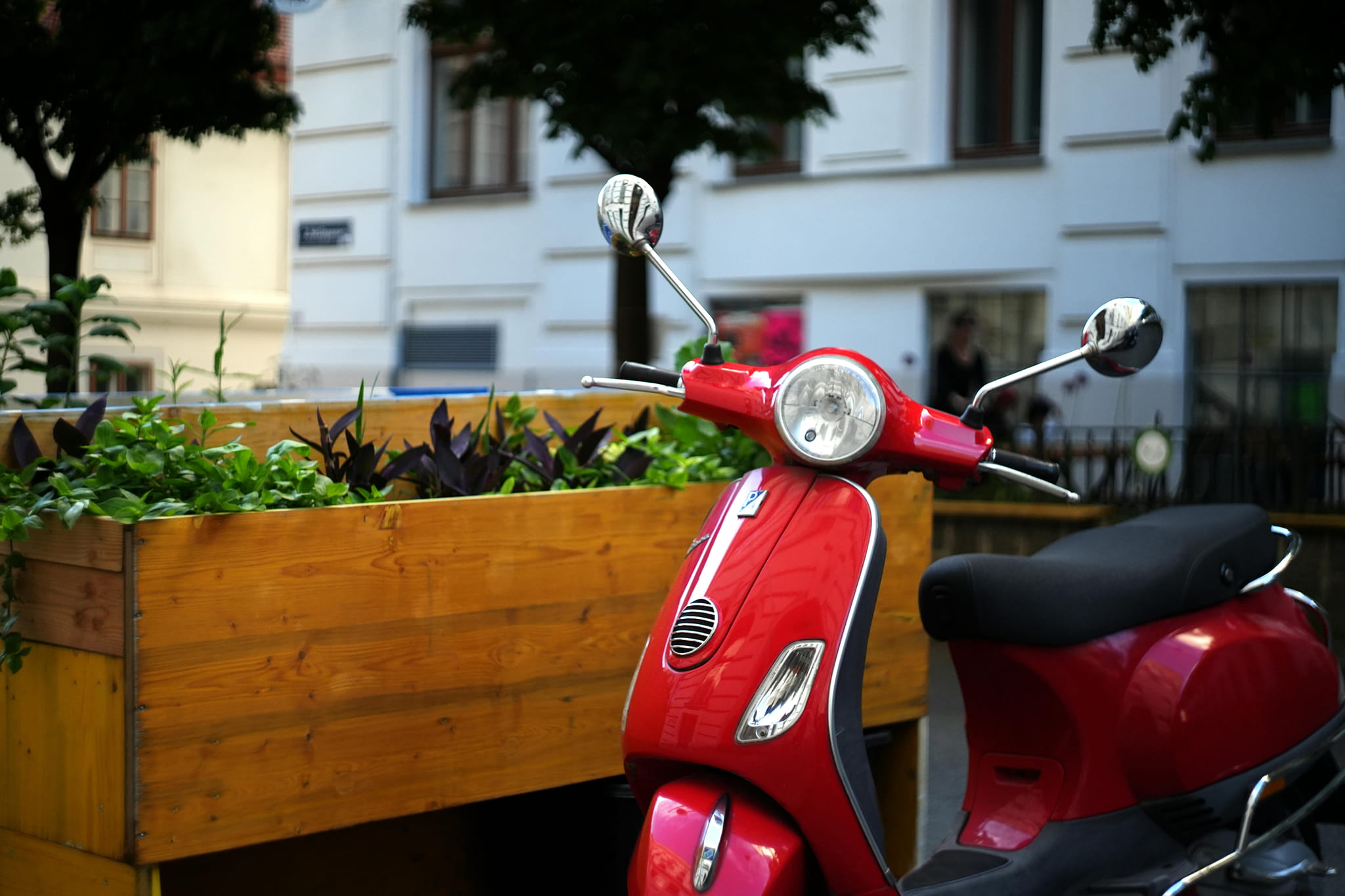
Think about the kind of riding you’re actually picturing. Is it city streets, scenic commutes, and weekend coffee runs? A scooter could be right for you.
Highways, road trips, or a specific style you’ve already got in your head? A motorcycle gives you the range to get there. And working a manual transmission is part of what makes it feel like riding.
No matter which you choose, both put you on two wheels with that open-air feeling no car can replicate. It’s just a question of what kind of experience you’re after.
Still not sure? Some people rent before they buy. Some start on one and end up on the other. The most important thing is just getting started. We’ve also put together a rider quiz to help you narrow down your style and find the right type of bike for you.