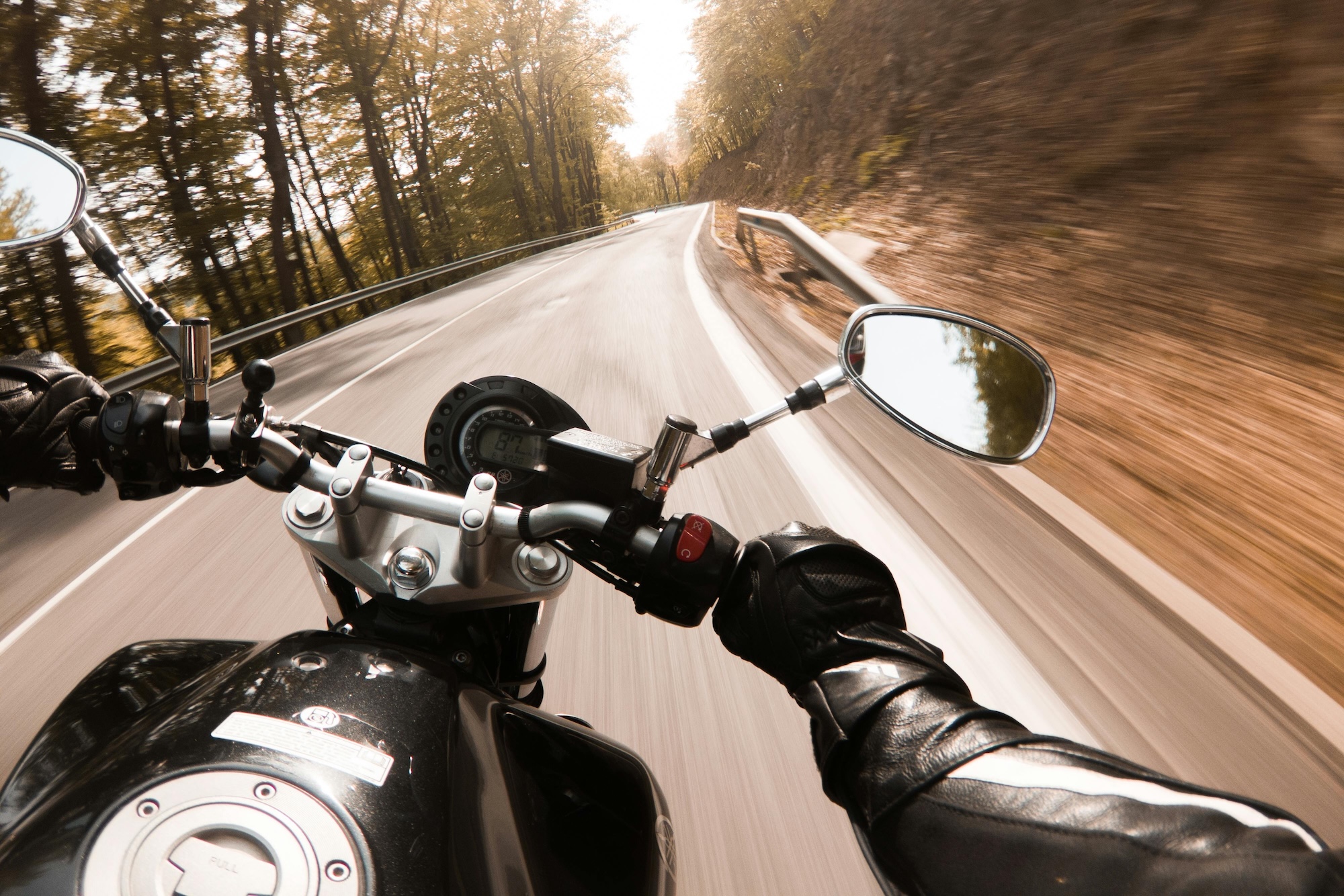
One of the biggest shifts in riding doesn’t happen in your hands or feet.
It happens in your eyes.
As you gain experience, riding becomes less about reacting and more about reading what’s coming next. The road starts giving you clues about traction, traffic, and potential hazards, and confident riders learn how to notice them early, calmly, and without panic.
The good news? Reading the road isn’t complicated. You don’t need jargon, racing instincts, or years of experience. You just need awareness, practice, and a mindset that looks ahead instead of right in front of the wheel.
Let’s break it down.
What “Reading the Road” Really Means
Reading the road doesn’t mean expecting danger everywhere.
It means noticing changes in the surface and surroundings, anticipating what could happen next, and giving yourself time and space to respond smoothly
When you read the road well, riding feels calmer, not more stressful. You’re less surprised, less rushed, and more in control.
Road Surfaces: What Your Tires Are Telling You
Different surfaces change how your bike grips the road. Learning to spot them early helps you adjust before things feel sketchy.
Gravel & Sand
Often found:
- Near intersections
- At the edges of lanes
- After storms or construction
What to do:
Slow down smoothly, avoid sudden inputs, and ride straight through when possible.
Tar Snakes & Road Repairs
Those dark, shiny lines that seal cracks.
What to do:
Reduce lean angle, be gentle with throttle and brakes, and avoid abrupt changes — especially when it’s hot or wet.
Wet Leaves, Grass & Debris
Common in the fall, but possible year-round.
What to do:
Treat them like ice. Ride upright, stay smooth, and don’t make sudden moves.
Metal Surfaces (Grates, Plates, Railroad Tracks)
They can look harmless — until they’re wet.
What to do:
Cross them as straight and steady as possible with no hard braking or acceleration.
Situations That Deserve Extra Attention
Some riding environments deserve a little more focus — not fear, just awareness.
Intersections
Most complex traffic situations happen here.
Watch for:
- Wheels turning before signals change
- Gaps cars might try to jump
- Drivers looking past you instead of at you
Position yourself to be seen and always have an exit plan.
Driveways & Side Streets
Especially in residential or commercial areas.
Watch for:
- Vehicles creeping forward
- Sudden stops or turns
- Pedestrians and cyclists
Cover your brakes and expect the unexpected.
Blind Corners
You can’t see what’s ahead — but you can prepare for it.
Smart habits:
- Adjust speed before the corner
- Look through the turn
- Stay in a lane position that gives you visibility
Hazards Aren’t Always Moving
Not every hazard is a car.
Be aware of:
- Oil spots (often darker and shinier)
- Potholes and uneven pavement
- Animals near wooded or rural roads
- Construction zones and temporary markings
The earlier you spot these, the smoother your response will be.
Scanning: The Skill That Ties It All Together
Good riders don’t stare — they scan.
Try this:
- Look far ahead, not just at the pavement
- Check mirrors regularly
- Notice patterns in traffic flow
- Re-scan after every lane change or turn
The goal isn’t to memorize everything — it’s to stay curious and alert.
Stay Calm, Stay Smooth
Here’s an important reminder:
Reading the road isn’t about riding tense.
If you feel overwhelmed:
- Slow things down
- Increase following distance
- Take a breath
Smooth inputs — gentle throttle, steady braking, relaxed arms — make almost every situation easier to manage.
This Skill Builds Over Time
No one reads the road perfectly on day one.
You’ll start by noticing one thing at a time:
- A surface change
- A car’s behavior
- A pattern in traffic
Over time, it becomes automatic, and that’s when riding confidence starts to form.
Trust What You See
The road is always giving you information.
When you learn how to read it, riding becomes less about reacting and more about flowing with what’s around you. That’s where confidence grows — not from fear, but from understanding.
Take your time. Stay observant. Ride smooth.