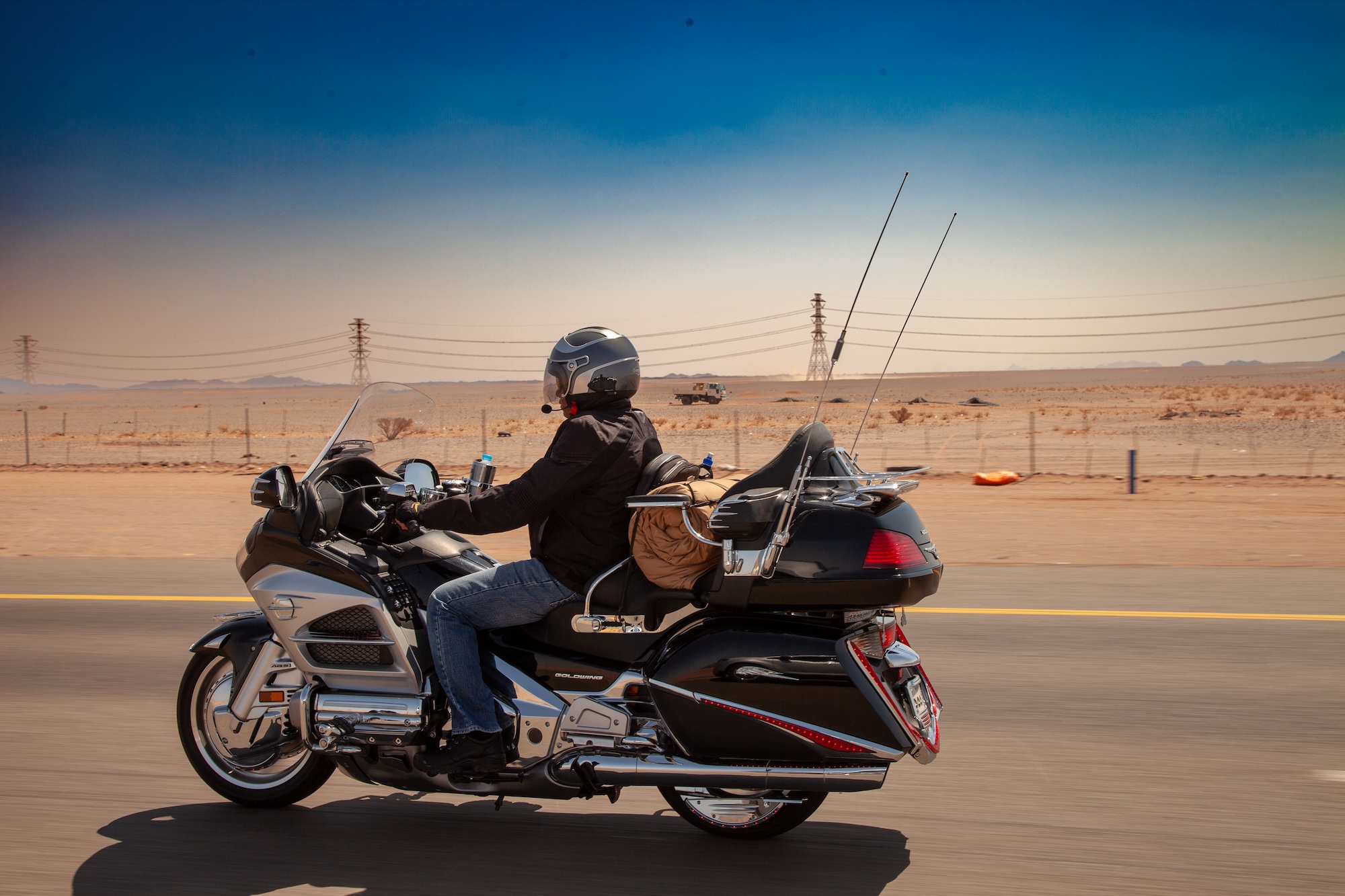
Summer riding is some of the best riding of the year. Long days, open roads, warm air. It is also the season that asks the most of your body.
Heat is a real variable on the bike. It affects your concentration, reaction time, physical comfort, and judgment in ways that can sneak up on you if you are not paying attention. The good news is that with a little preparation, hot-weather riding is entirely manageable. You need to know what you are working with.
Here is what actually helps.
Understand What Heat Does to Your Body on the Bike
Before you can manage heat effectively, it helps to understand what’s happening.
When your core temperature rises, your body works to cool itself down. Blood moves toward the skin. Sweat increases. Your heart works harder. All of that takes energy and fluids that your body would otherwise be using for focus, coordination, and decision-making.
On a motorcycle, those are exactly the things you need.
Heat fatigue does not always feel dramatic. It often starts as mild irritability, slightly slower reactions, or a vague sense that something feels off. By the time it feels serious, you are already behind the curve. The goal is to manage heat proactively, before your body starts compensating.
Hydration: Start Before You Ride
This is the single most important thing you can do, and most riders get it wrong.
Thirst is a late signal. By the time you feel thirsty, you are already mildly dehydrated. On a hot day, that can happen faster than you expect, especially at highway speeds, where wind pulls moisture away from your body without you noticing.
The strategy that works is starting hydrated. Drink water before you get on the bike. Not a sip, an actual glass or two in the hour before your ride. Then plan to stop and hydrate every 60 to 90 minutes, regardless of whether you feel like you need it.
Sports drinks with electrolytes are genuinely useful on very long or very hot days when you are losing significant sweat. Plain water is fine for most rides. And avoid the temptation to skip stops because you are making good time. The five minutes it takes to drink water at a rest stop is nothing compared to the cognitive cost of riding dehydrated.
Cooling Strategies That Actually Work
Gear is your first line of defense, and ventilation is the key variable.
Mesh jackets and pants are designed specifically for hot weather riding. They allow airflow while still providing meaningful protection. If you are riding in summer heat regularly, a mesh jacket is worth having. The difference in temperature between a mesh jacket and a non-ventilated one at highway speeds is significant.
Underneath your gear, moisture-wicking base layers make a real difference. They pull sweat away from your skin and help your body’s natural cooling system work more efficiently. Cotton holds moisture and gets heavy, while technical fabrics designed for heat do not.
As a bonus, wetting a cooling towel or buff and wearing it under your helmet at the neck can bring your temperature down quickly at rest stops. Cooling vests that use evaporative technology work well in dry heat. Parking in the shade whenever possible keeps your gear and bike from becoming heat sinks before you even get moving.
One thing to avoid: removing gear because you are hot. Shorts and a t-shirt feel cooler until they are not protecting you. Properly ventilated gear keeps you safer and, with the right materials, more comfortable than riding without it.
Plan Your Ride Around the Heat
Timing is one of the most underrated tools in summer riding.
Temperature peaks in the early to mid-afternoon, typically between noon and 4 PM, depending on your location. If you have flexibility in your schedule, planning longer rides for morning or evening significantly reduces the heat load on your body.
Early morning rides are a different experience entirely in summer. The air is cooler, traffic is lighter, and the light is better. If you have never done a sunrise ride, summer is the season to try it.
For rides that run through peak heat hours, build in rest stops during the hottest part of the day. Find a shaded spot, get off the bike, get out of your gear if the environment is safe to do so, and let your body temperature come down before continuing. Fifteen to twenty minutes in the shade with water does more than most riders expect.
Know the Warning Signs
Heat exhaustion and heat stroke are serious, and motorcyclists are not immune.
Heat exhaustion shows up as heavy sweating, weakness, cold or clammy skin, a weak pulse, nausea, and sometimes fainting. If you notice these symptoms, stop riding immediately. Get out of the sun, drink water, and cool down.
Heat stroke is more serious: high body temperature, hot and dry skin, rapid pulse, confusion, and possible loss of consciousness. This is a medical emergency. Call 911.
The more common experience is subtler than either of these. Riders describe feeling fine and then noticing they missed a turn, reacted slowly to a car changing lanes, or made a decision they would not normally make. That cognitive drift is heat affecting your judgment. It is a signal to stop, not to push through.
When in doubt, pull over. A break is always the right call.
Quick Reference: Summer Ride Checklist
Before every hot weather ride:
- Drink at least one to two glasses of water before you leave. Check that your gear has adequate ventilation for the conditions. Plan your stops, especially on longer routes. Tell someone your route if you are riding solo in extreme heat.
During the ride:
- Stop every 60 to 90 minutes to hydrate. Take a longer break during peak heat hours if your ride runs through them. Pay attention to how you feel, not just how you think you should feel.
After the ride:
- Rehydrate. Give your body time to cool down before your next ride. If something felt off during the ride, take note of it for next time.
The Bottom Line
Heat is manageable. Riders do it every summer, in every climate, on rides of every length.
The ones who do it well are not tougher. They are just more prepared. They hydrate before they need to. They gear up correctly. They plan their timing. They pay attention to their body and they stop when it is time to stop.
Summer is too good a season to sit out. With the right habits in place, there is no reason you should have to.
For more riding tips and best practices, visit ridewithus.com/tips-and-best-practices. And if you are looking for gear built for summer riding, our gear guide is a good place to start.