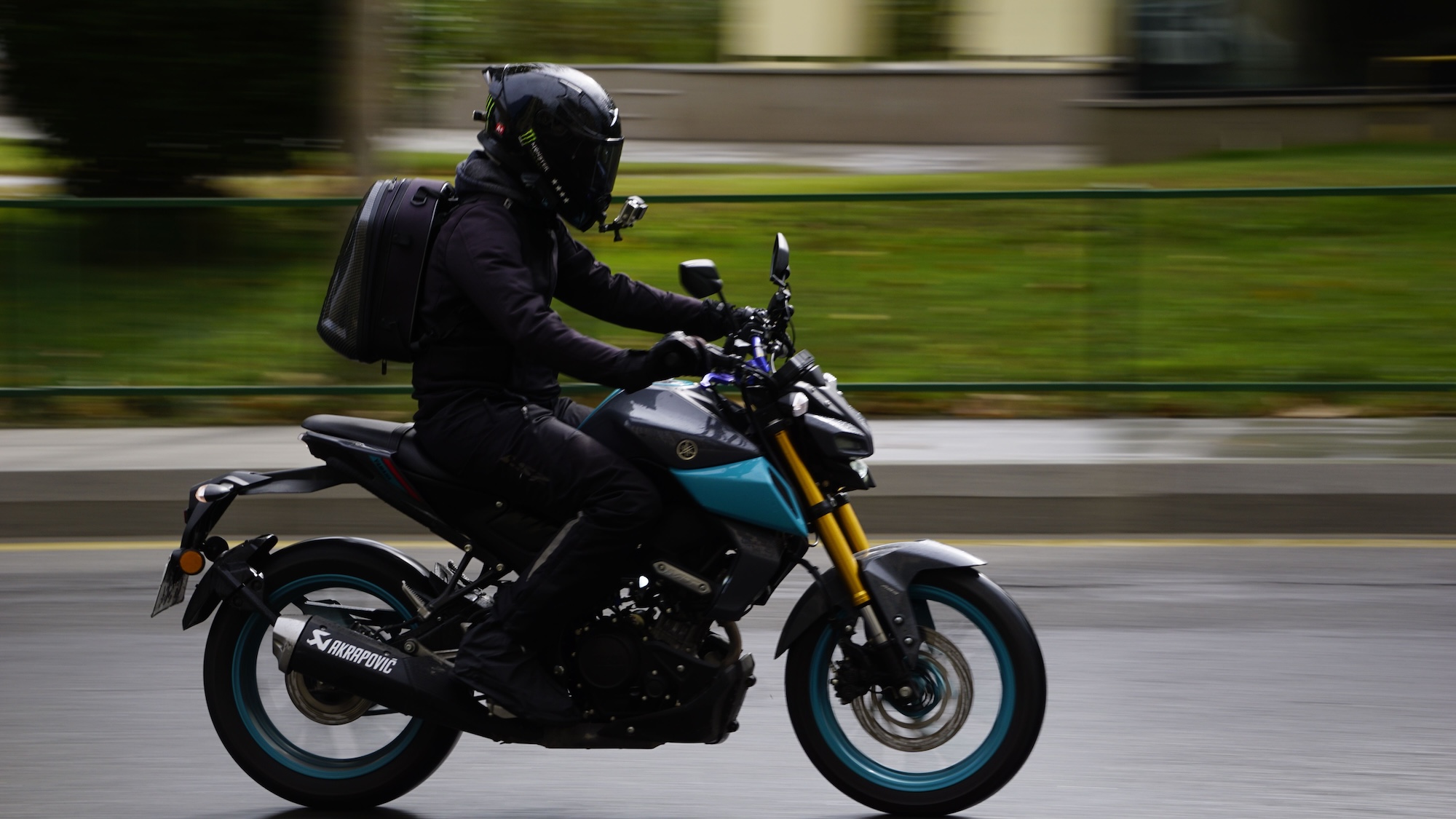
By now you have probably heard the case for commuting by motorcycle. It builds real riding skill faster than weekend rides do, and the math on fuel, insurance, and parking tends to work out in your favor. What most of that conversation skips is what commuting actually looks like once you are doing it every day. Here are the parts nobody mentions upfront.
Your Gear Has a Job Now, Not Just a Ride
Weekend gear only has to survive a number of hours before you are back home to take it off. Commuting gear has to survive a full workday on the other end of it, which changes how you think about what you wear and where it goes once you arrive.
Your helmet needs somewhere to live for eight or more hours. A desk, a locker, a bag you carry inside. Leaving it on the bike works in some situations and invites the wrong kind of attention in others, depending on where you park. Riding jackets and pants need somewhere to go too, and if your office does not have an obvious spot for either, that is worth figuring out before your first week, not during it.
Depending on your commute, you may also need a change of clothes. A ride that leaves you warm, windblown, or slightly damp from morning humidity is not always something you can walk into a meeting wearing. Packing a compact change of clothes or leaving something at the office, even just a shirt, solves a problem most new commuters do not see coming until the first time they need it.
The Forecast Runs Your Morning Now
Weekend rides get planned around good weather. You wait for the nice day and go. Commuting does not offer that luxury, because the ride happens whether the forecast cooperates or not.
That means checking the weather becomes part of your morning routine in a way it never was before. A ride that starts cool and ends warm, or the reverse, is common enough that layering matters more for commuting than it does for a planned weekend trip. Liners you can add or remove, gloves rated for more than one temperature range, and a jacket that vents well all earn their keep on a daily commute in a way they might not on an occasional ride.
It also helps to have an actual plan for the days riding is not the right call. Rain, ice, or a forecast that looks worse than usual are not things to push through out of stubbornness. Knowing your backup option, be it a car, a rideshare, or public transit, before you need it removes a decision you do not want to be making at six in the morning.
Traffic Behaves Differently at 7 AM
Commute traffic has a different rhythm than the roads you ride on weekends. There is more stop-and-go. More drivers are running the same routine they run every day, which usually means more distraction. And there are more predictable pinch points once you have ridden the route enough times to know where they are.
Lane position matters more in this kind of traffic. Riding toward the portion of the lane that keeps you most visible to the drivers around you, rather than defaulting to the same spot every time, is worth thinking about deliberately rather than out of habit. If your state allows lane splitting or filtering, it is worth knowing the specific rules rather than assuming they work the way you have seen online, since they vary significantly by location.
The upside of riding the same route daily is that it makes you sharper over time. You start to know which intersections tend to run late on their light, which merges get tight around a certain time, and which drivers on your route seem to be checking their phone more than the road. That familiarity is one of the real, underrated benefits of commuting, and it builds faster than most new commuters expect.
Your Bike Wears Differently
A bike ridden for a daily commute wears differently than one ridden occasionally on weekends, and it is worth adjusting your maintenance rhythm accordingly rather than being surprised by it later.
Oil changes are typically based on mileage, and commuting racks up mileage considerably faster than weekend riding alone. Chains need cleaning and lubrication on a tighter schedule, especially if your commute includes stop-and-go traffic that puts more wear on the drivetrain. Tires wear faster too, particularly the rear, from the constant acceleration and braking that come with city commuting compared to steadier highway miles.
None of this is a reason to reconsider commuting. It’s simply part of the actual cost of doing it, and knowing to expect it means you catch it during a routine check instead of getting surprised by it on a Tuesday morning.
The Real Manual Nobody Hands You
Nothing here is meant to talk you out of commuting. If anything, it is the opposite. These are the details that make the difference between a commute that feels effortless after a few months and one that catches you off guard every other week. Once you know what to expect, none of it is complicated. It is just part of the routine, the same way checking your mirrors becomes part of the routine.
If you have not read them yet, our post on how motorcycle commuting changes the way you think about riding covers the skill-building case, and the real cost of riding to work breaks down the financial side. Between the three, you have the complete picture of what commuting by motorcycle actually looks like.