New or used for your first motorcycle? It’s one of the biggest choices every new rider eventually faces. Here’s an honest look at the costs, tradeoffs, and how to make the right call for you.
Few moments in your riding journey match the excitement of hunting for that very first motorcycle.
You’ve completed your safety course, earned your license and probably already spent a few evenings scrolling through listings.
Then comes the big fork in the road: should I buy a brand new motorcycle or start with a used one?
Ask around in the riding community and you’ll find people have fiercely strong opinions of both sides. Seasoned riders might tell you a pre-owned bike is the only logical starting point, while others insist that the warranty, zero-mile reliability, and modern safety features of a new motorcycle are worth every penny.
The honest truth? There’s no single “correct” answer. Both paths can put you on an incredible first motorcycle for all the adventures ahead. The right choice simply comes down to your priorities, budget, and riding goals.
Let’s break down both sides objectively so you can figure out which is best for you.
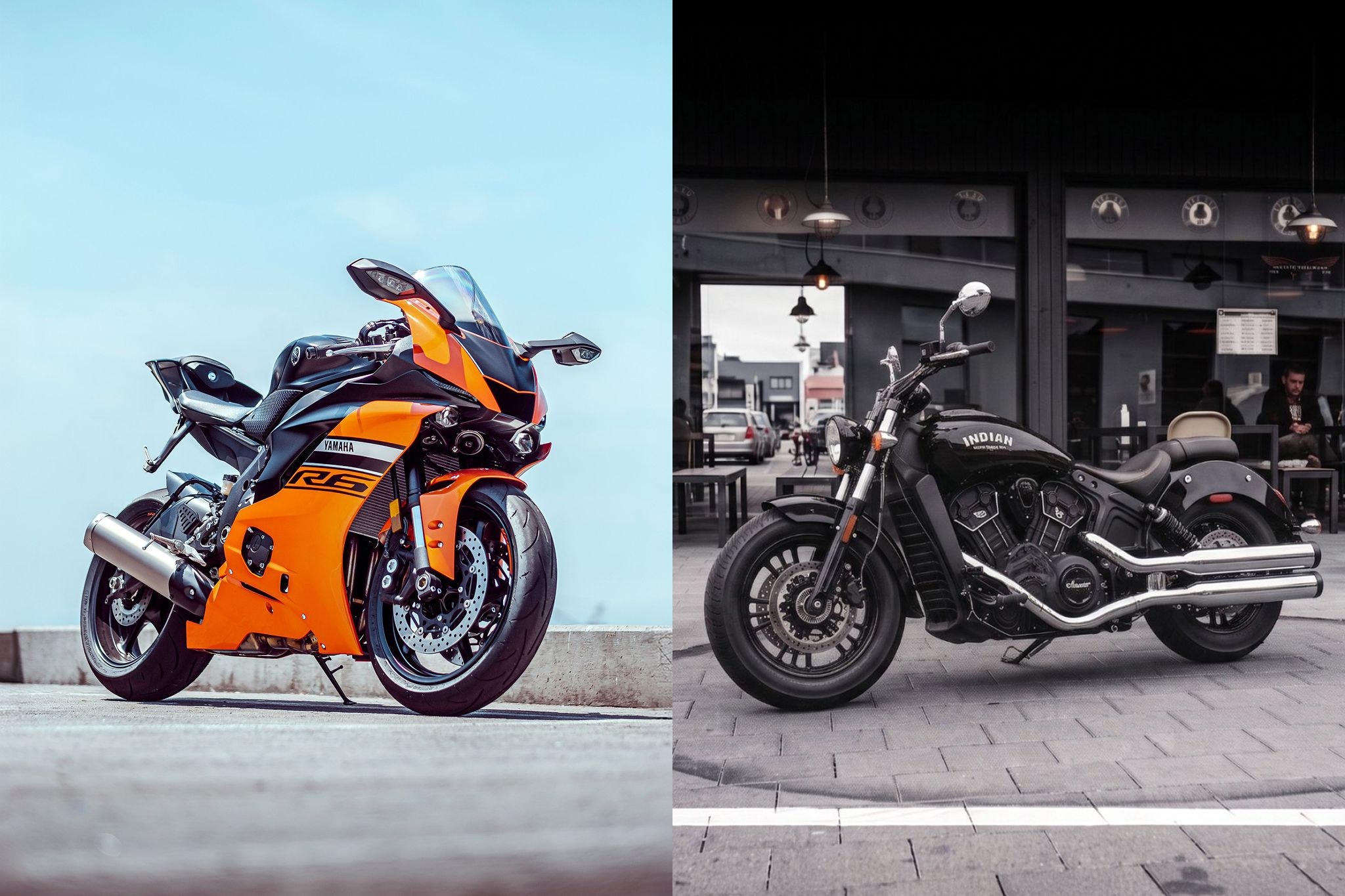
The Case for Buying a Used Motorcycle
One of the most common pieces of advice given to new riders has been simple: buy used for your first motorcycle.
There are plenty of good reasons that this advice has stuck around. A used bike costs less upfront. And with that lower upfront investment, your first bike can feel less like a permanent purchase and more like a low-cost, long-term rental.
Then there’s mental relief when learning. In your first few months after getting your motorcycle license, your brain is busy processing throttle control, clutch friction zones, surrounding traffic, and low-speed balance all at once. That learning curve brings one “universal truth”: many new riders drop their bike at least once.
It happens to plenty of us. Maybe while walking your bike in the parking lot, or simply forgetting to extend the kickstand. Those drops can be a little easier to deal with on a used bike that probably already has a minor scuff or two. Sometimes it’s simply part of the learning experience: check the bike, take the lesson, and keep building your confidence.
On a motorcycle you just financed last month? That drop might hurt a lot worse.
The used market can also work heavily in your favor as a beginner. Popular starter models like the Honda Rebel 500, Kawasaki Ninja 400, and Yamaha MT-03 are commonly found on the used market. There’s almost often a healthy supply of clean, low-mileage options available on the used market, and they remain just as easy to resell when you’re ready to move on.
If you’re on a strict budget, a pre-owned motorcycle makes a lot of sense to start. Not only for the lower initial cost, but it also protects a crucial (and sometimes overlooked) part of your overall startup costs: your safety gear and safety course (more on that below).
Plus, a lower-value used motorcycle may cost less to insure in some cases, giving new riders some additional breathing room in their monthly budget. Insurance costs can vary significantly depending on the rider, motorcycle, location, and coverage selected.
Pro tip: You don’t have to be a mechanic to buy used. If you’re nervous about evaluating a pre-owned bike, bring an experienced rider friend along or schedule a pre-purchase inspection (PPI) with a local repair shop. It takes a little extra coordination, but a professional inspection can be a worthwhile investment to help identify potential mechanical issues before you buy.
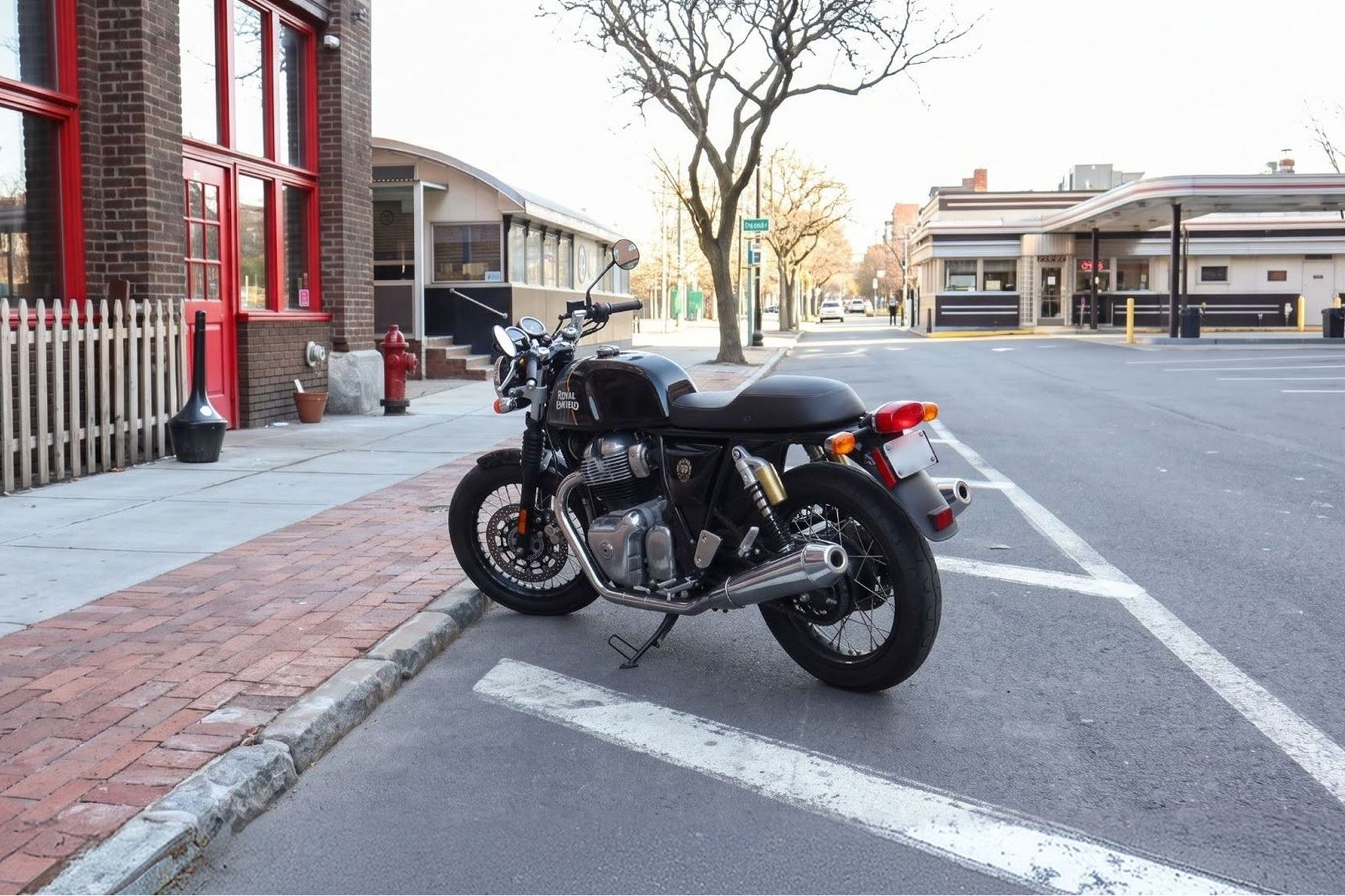
The Case for Buying a New Motorcycle
While used bikes make financial sense for plenty of riders, buying new offers something a pre-owned motorcycle simply can’t match: a known history from day one and the added reassurance of factory warranty coverage.
Does the thought of dealing with private sellers or worrying about hidden maintenance issues put you off? Buying new removes much of that uncertainty. You don’t have to guess whether the previous owner changed the oil on time or knew how to care for the chain.
And while many dealerships offer inspected pre-owned bikes that can take away much of that anxiety, buying brand new remains one the most straightforward ways to get greater peace of mind. That’s completely reasonable to prioritize, especially when you’re brand new and still learning the basic mechanics of motorcycles.
When you buy new, there’s zero mystery history. You know every single detail about the bike because you’re the one writing its story from mile zero. There are no missed oil changes, no hidden drop damage tucked under fresh plastic, and no DIY wiring from a previous owner.
New motorcycles also typically come with a manufacturer warranty, with coverage and duration varying by brand and model. If a component fails due to a factory defect, the manufacturer’s warranty may cover the repair rather than leaving you with the bill. That takes a massive weight off your shoulders during your first season on the road.
On top of that, motorcycle technology continues to evolve, and buying new can give you access to modern features designed to improve safety, convenience, and the overall riding experience. Most current entry-level models come standard with crisp LED lighting, smooth electronic fuel injection (so no messing with manual chokes on cold mornings), and anti-lock brakes (ABS), depending on the model and trim.
An older used motorcycle, on the other hand, may not offer the same suite of modern features, depending on its model year and trim
And maybe best of all? Buying new gives you a better shot at getting exactly the bike you want. You pick the exact model, trim, and color you’ve been dreaming about. That can mean fewer compromises and less time scanning private listings for the right combination of model, trim, condition, and color.

The Real Cost Is More Than the Sticker
Whichever way you go, the number on the price tag is rarely the number you’ll pay. That’s something to be aware of going in.
When you buy brand new, a dealership will add sales tax, registration, freight, and setup fees on top of MSRP. Depending on the motorcycle, dealership, and where you live, those additional costs can make a meaningful difference in the final price, so always ask for the full out-the-door price before comparing options.
Buying pre-owned may reduce some upfront costs, especially in a private-party sale, but it can come with a different expense: potential catch-up maintenance. Whether you’re buying from a private seller or a dealer lot, it’s smart to build a buffer into your budget for items that may need attention, like fresh fluids, a new battery, or aging tires.
Insurance is another expense that frequently catches new riders off guard. While basic liability coverage usually costs about the same regardless of what you ride, carrying full comprehensive and collision coverage on an $8,000 new motorcycle will run noticeably higher each month than on a $4,000 used bike.
Finally, remember the ultimate order of operations: safety gear and proper training always come first. Before settling on your motorcycle budget, price out a quality helmet, protective riding gear, and proper rider training so those essential costs are part of your plan from the start. High-quality gear is non-negotiable, so treat your motorcycle, protective gear, and rider training as parts of one total startup budget.
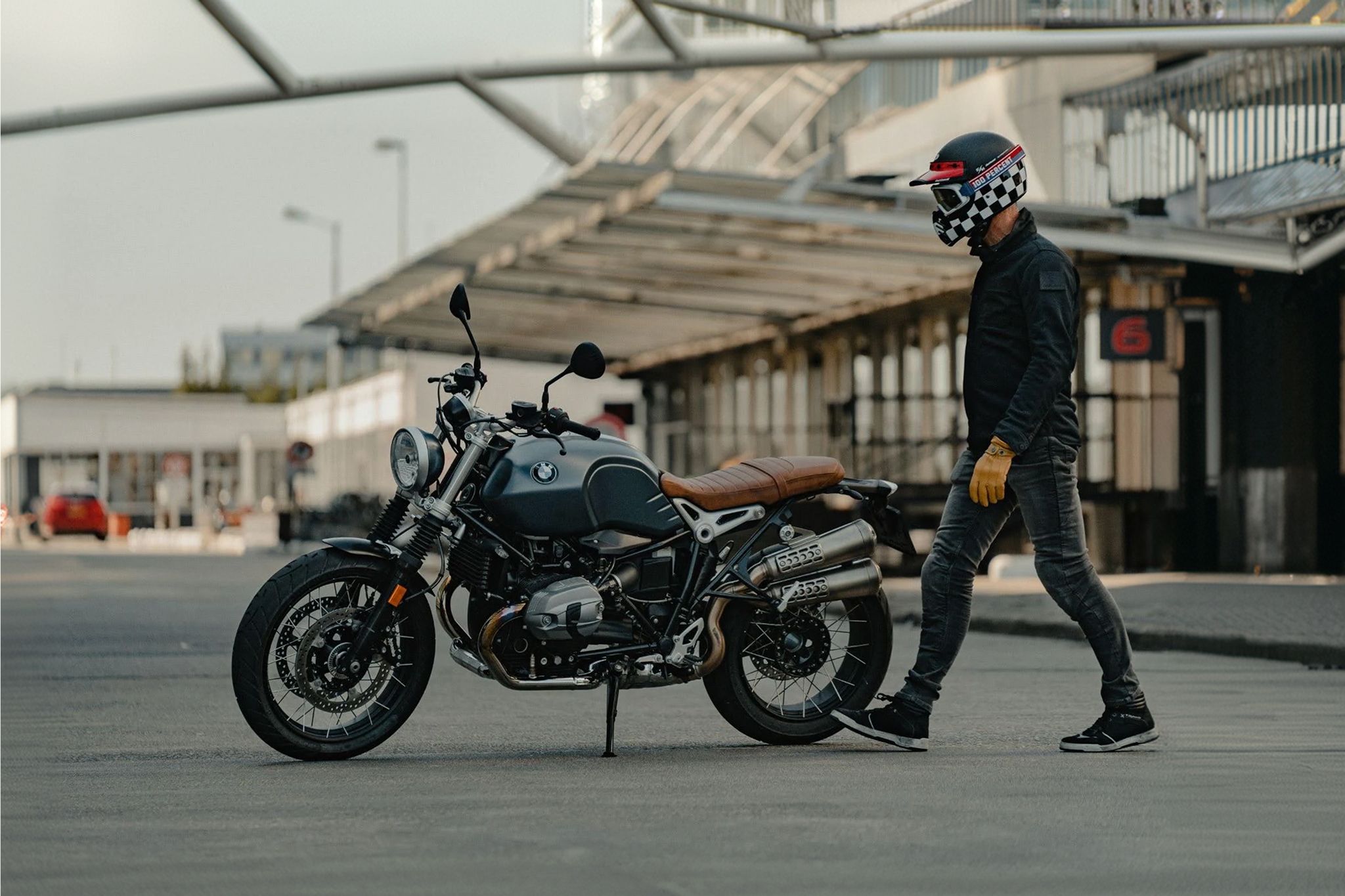
How to Make the Call
Still on the fence? There’s no one-size-fits-all formula here, but use this general framework to point you in the right direction:
Buy used if you’re working with a strict budget, want to maximize your dollar value, think you may want to upgrade as your skills and preferences evolve, or want the peace of mind knowing that a scratch or two won’t break your heart.
Buy new if you value a known history from mile zero, manufacturer warranty coverage, access to current features and technology, or plan on keeping the motorcycle for years to come.
Above all, don’t let analysis paralysis keep you off the road for months. The best first bike is simply the one that gets you out riding safely. Whether your first bike is pre-owned or fresh off the showroom floor, both can teach you the fundamental skills, take you on epic adventures, and put the same grin on your face on a Sunday morning.
Pick the path that fits your budget and comfort level, lock in your safety gear, and go get your seat time! The rest will fall into place.