Riders have known it for years. Science backs it up. Here’s what just 20 minutes on a motorcycle does to your brain and why consistent riding might be the most powerful mental health habit out there.

Think about the last time you felt truly present. Not half-present while scrolling through your phone, not burnt out with a million things on your mind. Fully focused, engaged, and completely present in the moment in front of you.
If those moments are feeling harder to come by, you’re not alone.
We live in an environment that was never designed for our brains. Constant notifications, endless screens, hours of sitting still and disconnected from the physical world. It feels normal. It might even feel productive.
But the mental fatigue, the anxiety, the nagging sense that you can’t quite catch your breath… none of that is random. They’re the natural result of a lifestyle your brain was not built to handle.
What most people don’t realize is that it doesn’t take much to interrupt that cycle. In fact, it takes as little as 20 minutes.

Your Brain Wasn’t Built for Modern Life
Let’s start with the problem.
Most of us spend the majority of our waking hours sitting still, switching between screens, and processing a constant stream of information. Emails, alerts, social feeds, news cycles… the list goes on and on. Your attention is always being pulled somewhere. And while it might feel like multitasking or staying on top of things, what it actually does to your brain is actually the complete opposite.
All of that constant input wears down your ability to focus. It keeps your stress response elevated, even when nothing dramatic is happening. Over time, it erodes your ability to stay present, regulate your emotions, and feel rested, even when you’re technically not doing much at all.
Your brain and body were designed for movement, fresh air, physical challenge, and real-world engagement. The further you drift from that, the more you feel the gap.
The good news is that the gap isn’t that hard to close. You just need the right kind of reset.
What Changes the Moment You Get on a Motorcycle
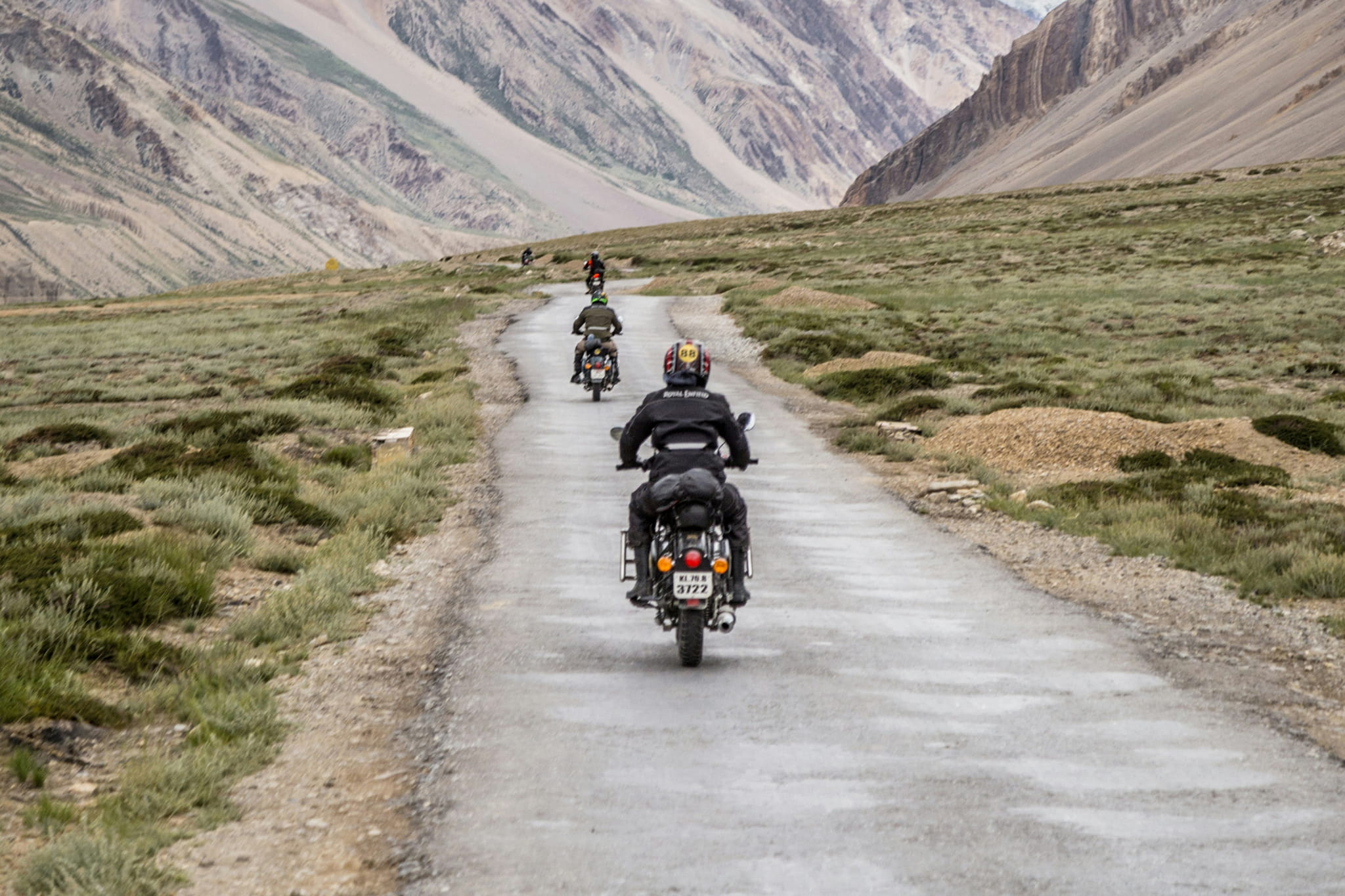
Something shifts the moment you get on a bike. It’s not subtle and it happens fast.
You’re not checking your phone. You’re not thinking about your endless to-do list. The mental noise that follows you through every hour of the day fades away. Almost immediately.
That’s no accident. Riding demands your full attention in a way few things do. The throttle, the balance, the road ahead, the awareness of your surroundings. Everything requires your focus. There’s no space left for distraction or overthinking. You’re pulled completely into the present moment, and for most people, that’s the first real break they’ve had all day.
Psychologists call this flow state, a condition of deep, focused engagement where self-consciousness fades, stress drops, and you’re fully absorbed in what you’re doing. Athletes and musicians famously experience it. Riders also experience it every single time they hit the road.
Riding is, in a very real sense, meditation at 60 miles per hour.
The Science: What Riding Does to Your Brain
Riders have always known how a ride makes them feel. The science explains why.
A landmark study by Yamaha Motor tracked the neurological effects of riding over two months and found significant improvements in cognitive function, focus, and overall brain performance. Additional research, including a notable UCLA study, has shown positive effects on stress-related biomarkers, stress reduction, and mental alertness.
Here’s what consistent riding does to your brain:
Up to 50% improvement in cognitive function
Measurable gains in memory, concentration and problem-solving in as little as two months of regular riding. That’s a more significant cognitive boost than many activities people pursue specifically for brain health.
Prefrontal cortex activation
The brain’s command center fires up with every ride, sharpening focus, decision-making and emotional regulation. Greater mental clarity, better judgment and a calmer response to pressure on and off the bike.
Increased BDNF: Your brain grows new neurons
Riding triggers a significant increase in BDNF (brain-derived neurotrophic factor), the protein that drives the growth and maintenance of neurons. Higher BDNF levels are directly associated with lower rates of depression, anxiety and cognitive decline.
Permanent Neuroplasticity
Perhaps the most remarkable finding is this: the neurological improvements triggered by regular riding don’t fade when you stop riding. Your brain adapts structurally and the changes stay with you, meaning every ride is an investment in your long-term mental health.
Riding Is a Wellbeing Practice
We all have different reasons for riding. It might be the feeling of freedom when you hit the open road, or a more convenient way to commute to work. Whatever brings you here, that’s enough.
But riding is also something else entirely: a practice for your mental health.
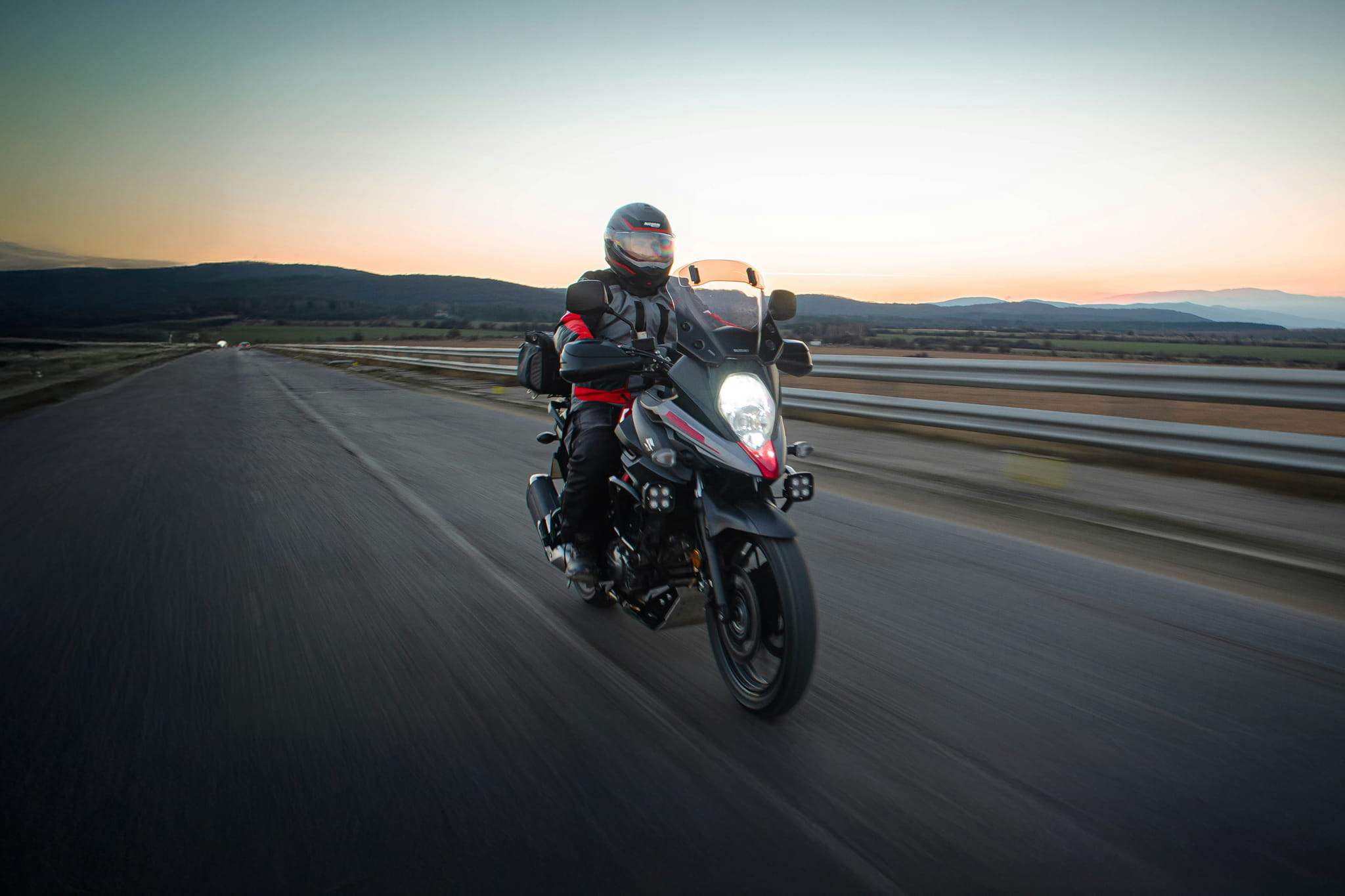
Riding brings together everything that your brain and body need at once: physical movement, fresh air and natural light, focused attention, and a controlled level of challenge. At the same time, it removes the constant digital input that keeps your mind overloaded.
You don’t need hours for it to work. Just 20 minutes of that is enough to shift your state and give your brain something it’s been missing all day.
Some people meditate. Others journal. Riders ride.
The Best Version of Your Shows Up Over Time
The effects are noticeable right away, but the long-term picture is where things get really compelling.
Ride consistently and all those awesome benefits start to carry over into the rest of your life. You feel more in control, more focused, and less reactive to the noise that used to pull your attention in every direction.
Each ride builds on the last. Habits stack, skills deepen, confidence builds. You spend more time outside in nature and less time worrying. That is the life our minds and bodies were built to live. Moving, experiencing and fully present in the world around us.
That’s when the best, healthiest version of you starts to show up.
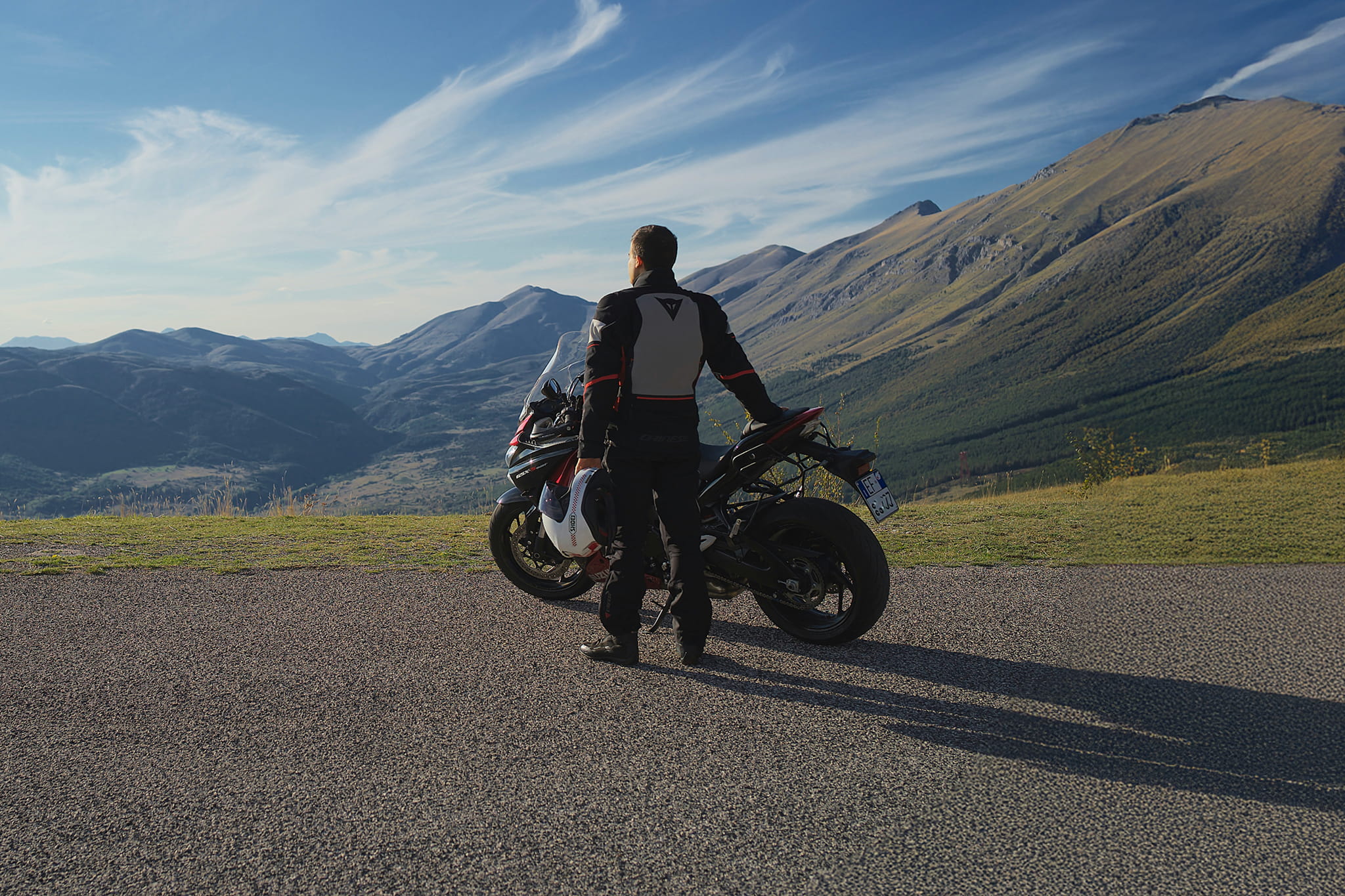
Every Ride Pays You Back
20 minutes is all it takes to get back to yourself. It doesn’t have to be a grand adventure every time. It might be a trip to the supermarket, or a short ride to work in the morning. What matters is getting out there and doing it consistently. That’s where the real mental health benefits start to build.
You don’t need to change everything at once. You just need a place to start and 20 minutes to make it yours.
Get started here and we’ll connect you with the training, resources and local community to take your first ride.